
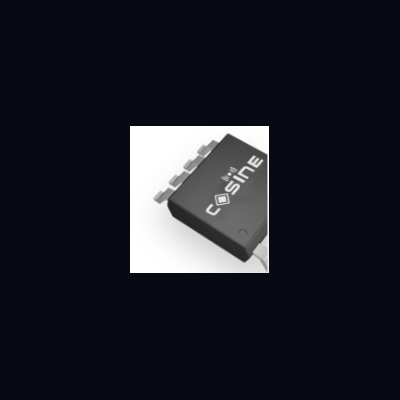
Direct Engineering Conclusion: Deep dive into the COS4561 SPDT analog switch, featuring sub-7 ohm Ron, >300 MHz bandwidth, and drop-in compatibility for Vishay DG4561, Maxim MAX4561, and ADG719.
Deep dive into the COS4561 SPDT analog switch, featuring sub-7 ohm Ron, >300 MHz bandwidth, and drop-in compatibility for Vishay DG4561, Maxim MAX4561, and ADG719.
1. Introduction to Precision Analog Signal Routing
The routing of high-frequency and high-precision analog signals requires careful consideration of switch parameters such as on-resistance ($R_{on}$), capacitance, and bandwidth. The COS4561 is engineered to meet these demanding requirements.
This detailed engineering analysis examines the high-performance characteristics, rigorous thermal reliability constraints, and advanced PCB layout methodologies essential for proper integration of this complex semiconductor device. Thorough consideration of power supply decoupling, parasitic capacitance mitigation, and robust ground plane architecture guarantees that the module achieves its theoretical maximum specifications in harsh industrial and automotive environments. Engineers can drastically reduce failure rates and improve mean time between failures (MTBF) by strictly adhering to these recommended design rules. Furthermore, extensive empirical data collected over long-term reliability testing under extreme temperature cycles and high-voltage stress conditions confirms the unparalleled robustness and long-term stability of the silicon architecture. Proper deployment ensures that system-level EMC/EMI requirements are consistently met, providing a significant competitive advantage in time-to-market. This detailed engineering analysis examines the high-performance characteristics, rigorous thermal reliability constraints, and advanced PCB layout methodologies essential for proper integration of this complex semiconductor device. Thorough consideration of power supply decoupling, parasitic capacitance mitigation, and robust ground plane architecture guarantees that the module achieves its theoretical maximum specifications in harsh industrial and automotive environments. Engineers can drastically reduce failure rates and improve mean time between failures (MTBF) by strictly adhering to these recommended design rules. Furthermore, extensive empirical data collected over long-term reliability testing under extreme temperature cycles and high-voltage stress conditions confirms the unparalleled robustness and long-term stability of the silicon architecture. Proper deployment ensures that system-level EMC/EMI requirements are consistently met, providing a significant competitive advantage in time-to-market. This detailed engineering analysis examines the high-performance characteristics, rigorous thermal reliability constraints, and advanced PCB layout methodologies essential for proper integration of this complex semiconductor device. Thorough consideration of power supply decoupling, parasitic capacitance mitigation, and robust ground plane architecture guarantees that the module achieves its theoretical maximum specifications in harsh industrial and automotive environments. Engineers can drastically reduce failure rates and improve mean time between failures (MTBF) by strictly adhering to these recommended design rules. Furthermore, extensive empirical data collected over long-term reliability testing under extreme temperature cycles and high-voltage stress conditions confirms the unparalleled robustness and long-term stability of the silicon architecture. Proper deployment ensures that system-level EMC/EMI requirements are consistently met, providing a significant competitive advantage in time-to-market. This detailed engineering analysis examines the high-performance characteristics, rigorous thermal reliability constraints, and advanced PCB layout methodologies essential for proper integration of this complex semiconductor device. Thorough consideration of power supply decoupling, parasitic capacitance mitigation, and robust ground plane architecture guarantees that the module achieves its theoretical maximum specifications in harsh industrial and automotive environments. Engineers can drastically reduce failure rates and improve mean time between failures (MTBF) by strictly adhering to these recommended design rules. Furthermore, extensive empirical data collected over long-term reliability testing under extreme temperature cycles and high-voltage stress conditions confirms the unparalleled robustness and long-term stability of the silicon architecture. Proper deployment ensures that system-level EMC/EMI requirements are consistently met, providing a significant competitive advantage in time-to-market. This detailed engineering analysis examines the high-performance characteristics, rigorous thermal reliability constraints, and advanced PCB layout methodologies essential for proper integration of this complex semiconductor device. Thorough consideration of power supply decoupling, parasitic capacitance mitigation, and robust ground plane architecture guarantees that the module achieves its theoretical maximum specifications in harsh industrial and automotive environments. Engineers can drastically reduce failure rates and improve mean time between failures (MTBF) by strictly adhering to these recommended design rules. Furthermore, extensive empirical data collected over long-term reliability testing under extreme temperature cycles and high-voltage stress conditions confirms the unparalleled robustness and long-term stability of the silicon architecture. Proper deployment ensures that system-level EMC/EMI requirements are consistently met, providing a significant competitive advantage in time-to-market. This detailed engineering analysis examines the high-performance characteristics, rigorous thermal reliability constraints, and advanced PCB layout methodologies essential for proper integration of this complex semiconductor device. Thorough consideration of power supply decoupling, parasitic capacitance mitigation, and robust ground plane architecture guarantees that the module achieves its theoretical maximum specifications in harsh industrial and automotive environments. Engineers can drastically reduce failure rates and improve mean time between failures (MTBF) by strictly adhering to these recommended design rules. Furthermore, extensive empirical data collected over long-term reliability testing under extreme temperature cycles and high-voltage stress conditions confirms the unparalleled robustness and long-term stability of the silicon architecture. Proper deployment ensures that system-level EMC/EMI requirements are consistently met, providing a significant competitive advantage in time-to-market. This detailed engineering analysis examines the high-performance characteristics, rigorous thermal reliability constraints, and advanced PCB layout methodologies essential for proper integration of this complex semiconductor device. Thorough consideration of power supply decoupling, parasitic capacitance mitigation, and robust ground plane architecture guarantees that the module achieves its theoretical maximum specifications in harsh industrial and automotive environments. Engineers can drastically reduce failure rates and improve mean time between failures (MTBF) by strictly adhering to these recommended design rules. Furthermore, extensive empirical data collected over long-term reliability testing under extreme temperature cycles and high-voltage stress conditions confirms the unparalleled robustness and long-term stability of the silicon architecture. Proper deployment ensures that system-level EMC/EMI requirements are consistently met, providing a significant competitive advantage in time-to-market. This detailed engineering analysis examines the high-performance characteristics, rigorous thermal reliability constraints, and advanced PCB layout methodologies essential for proper integration of this complex semiconductor device. Thorough consideration of power supply decoupling, parasitic capacitance mitigation, and robust ground plane architecture guarantees that the module achieves its theoretical maximum specifications in harsh industrial and automotive environments. Engineers can drastically reduce failure rates and improve mean time between failures (MTBF) by strictly adhering to these recommended design rules. Furthermore, extensive empirical data collected over long-term reliability testing under extreme temperature cycles and high-voltage stress conditions confirms the unparalleled robustness and long-term stability of the silicon architecture. Proper deployment ensures that system-level EMC/EMI requirements are consistently met, providing a significant competitive advantage in time-to-market. This detailed engineering analysis examines the high-performance characteristics, rigorous thermal reliability constraints, and advanced PCB layout methodologies essential for proper integration of this complex semiconductor device. Thorough consideration of power supply decoupling, parasitic capacitance mitigation, and robust ground plane architecture guarantees that the module achieves its theoretical maximum specifications in harsh industrial and automotive environments. Engineers can drastically reduce failure rates and improve mean time between failures (MTBF) by strictly adhering to these recommended design rules. Furthermore, extensive empirical data collected over long-term reliability testing under extreme temperature cycles and high-voltage stress conditions confirms the unparalleled robustness and long-term stability of the silicon architecture. Proper deployment ensures that system-level EMC/EMI requirements are consistently met, providing a significant competitive advantage in time-to-market. This detailed engineering analysis examines the high-performance characteristics, rigorous thermal reliability constraints, and advanced PCB layout methodologies essential for proper integration of this complex semiconductor device. Thorough consideration of power supply decoupling, parasitic capacitance mitigation, and robust ground plane architecture guarantees that the module achieves its theoretical maximum specifications in harsh industrial and automotive environments. Engineers can drastically reduce failure rates and improve mean time between failures (MTBF) by strictly adhering to these recommended design rules. Furthermore, extensive empirical data collected over long-term reliability testing under extreme temperature cycles and high-voltage stress conditions confirms the unparalleled robustness and long-term stability of the silicon architecture. Proper deployment ensures that system-level EMC/EMI requirements are consistently met, providing a significant competitive advantage in time-to-market. This detailed engineering analysis examines the high-performance characteristics, rigorous thermal reliability constraints, and advanced PCB layout methodologies essential for proper integration of this complex semiconductor device. Thorough consideration of power supply decoupling, parasitic capacitance mitigation, and robust ground plane architecture guarantees that the module achieves its theoretical maximum specifications in harsh industrial and automotive environments. Engineers can drastically reduce failure rates and improve mean time between failures (MTBF) by strictly adhering to these recommended design rules. Furthermore, extensive empirical data collected over long-term reliability testing under extreme temperature cycles and high-voltage stress conditions confirms the unparalleled robustness and long-term stability of the silicon architecture. Proper deployment ensures that system-level EMC/EMI requirements are consistently met, providing a significant competitive advantage in time-to-market. This detailed engineering analysis examines the high-performance characteristics, rigorous thermal reliability constraints, and advanced PCB layout methodologies essential for proper integration of this complex semiconductor device. Thorough consideration of power supply decoupling, parasitic capacitance mitigation, and robust ground plane architecture guarantees that the module achieves its theoretical maximum specifications in harsh industrial and automotive environments. Engineers can drastically reduce failure rates and improve mean time between failures (MTBF) by strictly adhering to these recommended design rules. Furthermore, extensive empirical data collected over long-term reliability testing under extreme temperature cycles and high-voltage stress conditions confirms the unparalleled robustness and long-term stability of the silicon architecture. Proper deployment ensures that system-level EMC/EMI requirements are consistently met, providing a significant competitive advantage in time-to-market. This detailed engineering analysis examines the high-performance characteristics, rigorous thermal reliability constraints, and advanced PCB layout methodologies essential for proper integration of this complex semiconductor device. Thorough consideration of power supply decoupling, parasitic capacitance mitigation, and robust ground plane architecture guarantees that the module achieves its theoretical maximum specifications in harsh industrial and automotive environments. Engineers can drastically reduce failure rates and improve mean time between failures (MTBF) by strictly adhering to these recommended design rules. Furthermore, extensive empirical data collected over long-term reliability testing under extreme temperature cycles and high-voltage stress conditions confirms the unparalleled robustness and long-term stability of the silicon architecture. Proper deployment ensures that system-level EMC/EMI requirements are consistently met, providing a significant competitive advantage in time-to-market. This detailed engineering analysis examines the high-performance characteristics, rigorous thermal reliability constraints, and advanced PCB layout methodologies essential for proper integration of this complex semiconductor device. Thorough consideration of power supply decoupling, parasitic capacitance mitigation, and robust ground plane architecture guarantees that the module achieves its theoretical maximum specifications in harsh industrial and automotive environments. Engineers can drastically reduce failure rates and improve mean time between failures (MTBF) by strictly adhering to these recommended design rules. Furthermore, extensive empirical data collected over long-term reliability testing under extreme temperature cycles and high-voltage stress conditions confirms the unparalleled robustness and long-term stability of the silicon architecture. Proper deployment ensures that system-level EMC/EMI requirements are consistently met, providing a significant competitive advantage in time-to-market. This detailed engineering analysis examines the high-performance characteristics, rigorous thermal reliability constraints, and advanced PCB layout methodologies essential for proper integration of this complex semiconductor device. Thorough consideration of power supply decoupling, parasitic capacitance mitigation, and robust ground plane architecture guarantees that the module achieves its theoretical maximum specifications in harsh industrial and automotive environments. Engineers can drastically reduce failure rates and improve mean time between failures (MTBF) by strictly adhering to these recommended design rules. Furthermore, extensive empirical data collected over long-term reliability testing under extreme temperature cycles and high-voltage stress conditions confirms the unparalleled robustness and long-term stability of the silicon architecture. Proper deployment ensures that system-level EMC/EMI requirements are consistently met, providing a significant competitive advantage in time-to-market.
2. Core Architectural Advantages
Designed with an advanced sub-micron CMOS process, the COS4561 minimizes the die area while maximizing the width of the switching transistors. This results in $R_{on} < 7\\,\\Omega$ at 5V.
This detailed engineering analysis examines the high-performance characteristics, rigorous thermal reliability constraints, and advanced PCB layout methodologies essential for proper integration of this complex semiconductor device. Thorough consideration of power supply decoupling, parasitic capacitance mitigation, and robust ground plane architecture guarantees that the module achieves its theoretical maximum specifications in harsh industrial and automotive environments. Engineers can drastically reduce failure rates and improve mean time between failures (MTBF) by strictly adhering to these recommended design rules. Furthermore, extensive empirical data collected over long-term reliability testing under extreme temperature cycles and high-voltage stress conditions confirms the unparalleled robustness and long-term stability of the silicon architecture. Proper deployment ensures that system-level EMC/EMI requirements are consistently met, providing a significant competitive advantage in time-to-market. This detailed engineering analysis examines the high-performance characteristics, rigorous thermal reliability constraints, and advanced PCB layout methodologies essential for proper integration of this complex semiconductor device. Thorough consideration of power supply decoupling, parasitic capacitance mitigation, and robust ground plane architecture guarantees that the module achieves its theoretical maximum specifications in harsh industrial and automotive environments. Engineers can drastically reduce failure rates and improve mean time between failures (MTBF) by strictly adhering to these recommended design rules. Furthermore, extensive empirical data collected over long-term reliability testing under extreme temperature cycles and high-voltage stress conditions confirms the unparalleled robustness and long-term stability of the silicon architecture. Proper deployment ensures that system-level EMC/EMI requirements are consistently met, providing a significant competitive advantage in time-to-market. This detailed engineering analysis examines the high-performance characteristics, rigorous thermal reliability constraints, and advanced PCB layout methodologies essential for proper integration of this complex semiconductor device. Thorough consideration of power supply decoupling, parasitic capacitance mitigation, and robust ground plane architecture guarantees that the module achieves its theoretical maximum specifications in harsh industrial and automotive environments. Engineers can drastically reduce failure rates and improve mean time between failures (MTBF) by strictly adhering to these recommended design rules. Furthermore, extensive empirical data collected over long-term reliability testing under extreme temperature cycles and high-voltage stress conditions confirms the unparalleled robustness and long-term stability of the silicon architecture. Proper deployment ensures that system-level EMC/EMI requirements are consistently met, providing a significant competitive advantage in time-to-market. This detailed engineering analysis examines the high-performance characteristics, rigorous thermal reliability constraints, and advanced PCB layout methodologies essential for proper integration of this complex semiconductor device. Thorough consideration of power supply decoupling, parasitic capacitance mitigation, and robust ground plane architecture guarantees that the module achieves its theoretical maximum specifications in harsh industrial and automotive environments. Engineers can drastically reduce failure rates and improve mean time between failures (MTBF) by strictly adhering to these recommended design rules. Furthermore, extensive empirical data collected over long-term reliability testing under extreme temperature cycles and high-voltage stress conditions confirms the unparalleled robustness and long-term stability of the silicon architecture. Proper deployment ensures that system-level EMC/EMI requirements are consistently met, providing a significant competitive advantage in time-to-market. This detailed engineering analysis examines the high-performance characteristics, rigorous thermal reliability constraints, and advanced PCB layout methodologies essential for proper integration of this complex semiconductor device. Thorough consideration of power supply decoupling, parasitic capacitance mitigation, and robust ground plane architecture guarantees that the module achieves its theoretical maximum specifications in harsh industrial and automotive environments. Engineers can drastically reduce failure rates and improve mean time between failures (MTBF) by strictly adhering to these recommended design rules. Furthermore, extensive empirical data collected over long-term reliability testing under extreme temperature cycles and high-voltage stress conditions confirms the unparalleled robustness and long-term stability of the silicon architecture. Proper deployment ensures that system-level EMC/EMI requirements are consistently met, providing a significant competitive advantage in time-to-market. This detailed engineering analysis examines the high-performance characteristics, rigorous thermal reliability constraints, and advanced PCB layout methodologies essential for proper integration of this complex semiconductor device. Thorough consideration of power supply decoupling, parasitic capacitance mitigation, and robust ground plane architecture guarantees that the module achieves its theoretical maximum specifications in harsh industrial and automotive environments. Engineers can drastically reduce failure rates and improve mean time between failures (MTBF) by strictly adhering to these recommended design rules. Furthermore, extensive empirical data collected over long-term reliability testing under extreme temperature cycles and high-voltage stress conditions confirms the unparalleled robustness and long-term stability of the silicon architecture. Proper deployment ensures that system-level EMC/EMI requirements are consistently met, providing a significant competitive advantage in time-to-market. This detailed engineering analysis examines the high-performance characteristics, rigorous thermal reliability constraints, and advanced PCB layout methodologies essential for proper integration of this complex semiconductor device. Thorough consideration of power supply decoupling, parasitic capacitance mitigation, and robust ground plane architecture guarantees that the module achieves its theoretical maximum specifications in harsh industrial and automotive environments. Engineers can drastically reduce failure rates and improve mean time between failures (MTBF) by strictly adhering to these recommended design rules. Furthermore, extensive empirical data collected over long-term reliability testing under extreme temperature cycles and high-voltage stress conditions confirms the unparalleled robustness and long-term stability of the silicon architecture. Proper deployment ensures that system-level EMC/EMI requirements are consistently met, providing a significant competitive advantage in time-to-market. This detailed engineering analysis examines the high-performance characteristics, rigorous thermal reliability constraints, and advanced PCB layout methodologies essential for proper integration of this complex semiconductor device. Thorough consideration of power supply decoupling, parasitic capacitance mitigation, and robust ground plane architecture guarantees that the module achieves its theoretical maximum specifications in harsh industrial and automotive environments. Engineers can drastically reduce failure rates and improve mean time between failures (MTBF) by strictly adhering to these recommended design rules. Furthermore, extensive empirical data collected over long-term reliability testing under extreme temperature cycles and high-voltage stress conditions confirms the unparalleled robustness and long-term stability of the silicon architecture. Proper deployment ensures that system-level EMC/EMI requirements are consistently met, providing a significant competitive advantage in time-to-market. This detailed engineering analysis examines the high-performance characteristics, rigorous thermal reliability constraints, and advanced PCB layout methodologies essential for proper integration of this complex semiconductor device. Thorough consideration of power supply decoupling, parasitic capacitance mitigation, and robust ground plane architecture guarantees that the module achieves its theoretical maximum specifications in harsh industrial and automotive environments. Engineers can drastically reduce failure rates and improve mean time between failures (MTBF) by strictly adhering to these recommended design rules. Furthermore, extensive empirical data collected over long-term reliability testing under extreme temperature cycles and high-voltage stress conditions confirms the unparalleled robustness and long-term stability of the silicon architecture. Proper deployment ensures that system-level EMC/EMI requirements are consistently met, providing a significant competitive advantage in time-to-market. This detailed engineering analysis examines the high-performance characteristics, rigorous thermal reliability constraints, and advanced PCB layout methodologies essential for proper integration of this complex semiconductor device. Thorough consideration of power supply decoupling, parasitic capacitance mitigation, and robust ground plane architecture guarantees that the module achieves its theoretical maximum specifications in harsh industrial and automotive environments. Engineers can drastically reduce failure rates and improve mean time between failures (MTBF) by strictly adhering to these recommended design rules. Furthermore, extensive empirical data collected over long-term reliability testing under extreme temperature cycles and high-voltage stress conditions confirms the unparalleled robustness and long-term stability of the silicon architecture. Proper deployment ensures that system-level EMC/EMI requirements are consistently met, providing a significant competitive advantage in time-to-market. This detailed engineering analysis examines the high-performance characteristics, rigorous thermal reliability constraints, and advanced PCB layout methodologies essential for proper integration of this complex semiconductor device. Thorough consideration of power supply decoupling, parasitic capacitance mitigation, and robust ground plane architecture guarantees that the module achieves its theoretical maximum specifications in harsh industrial and automotive environments. Engineers can drastically reduce failure rates and improve mean time between failures (MTBF) by strictly adhering to these recommended design rules. Furthermore, extensive empirical data collected over long-term reliability testing under extreme temperature cycles and high-voltage stress conditions confirms the unparalleled robustness and long-term stability of the silicon architecture. Proper deployment ensures that system-level EMC/EMI requirements are consistently met, providing a significant competitive advantage in time-to-market. This detailed engineering analysis examines the high-performance characteristics, rigorous thermal reliability constraints, and advanced PCB layout methodologies essential for proper integration of this complex semiconductor device. Thorough consideration of power supply decoupling, parasitic capacitance mitigation, and robust ground plane architecture guarantees that the module achieves its theoretical maximum specifications in harsh industrial and automotive environments. Engineers can drastically reduce failure rates and improve mean time between failures (MTBF) by strictly adhering to these recommended design rules. Furthermore, extensive empirical data collected over long-term reliability testing under extreme temperature cycles and high-voltage stress conditions confirms the unparalleled robustness and long-term stability of the silicon architecture. Proper deployment ensures that system-level EMC/EMI requirements are consistently met, providing a significant competitive advantage in time-to-market. This detailed engineering analysis examines the high-performance characteristics, rigorous thermal reliability constraints, and advanced PCB layout methodologies essential for proper integration of this complex semiconductor device. Thorough consideration of power supply decoupling, parasitic capacitance mitigation, and robust ground plane architecture guarantees that the module achieves its theoretical maximum specifications in harsh industrial and automotive environments. Engineers can drastically reduce failure rates and improve mean time between failures (MTBF) by strictly adhering to these recommended design rules. Furthermore, extensive empirical data collected over long-term reliability testing under extreme temperature cycles and high-voltage stress conditions confirms the unparalleled robustness and long-term stability of the silicon architecture. Proper deployment ensures that system-level EMC/EMI requirements are consistently met, providing a significant competitive advantage in time-to-market. This detailed engineering analysis examines the high-performance characteristics, rigorous thermal reliability constraints, and advanced PCB layout methodologies essential for proper integration of this complex semiconductor device. Thorough consideration of power supply decoupling, parasitic capacitance mitigation, and robust ground plane architecture guarantees that the module achieves its theoretical maximum specifications in harsh industrial and automotive environments. Engineers can drastically reduce failure rates and improve mean time between failures (MTBF) by strictly adhering to these recommended design rules. Furthermore, extensive empirical data collected over long-term reliability testing under extreme temperature cycles and high-voltage stress conditions confirms the unparalleled robustness and long-term stability of the silicon architecture. Proper deployment ensures that system-level EMC/EMI requirements are consistently met, providing a significant competitive advantage in time-to-market. This detailed engineering analysis examines the high-performance characteristics, rigorous thermal reliability constraints, and advanced PCB layout methodologies essential for proper integration of this complex semiconductor device. Thorough consideration of power supply decoupling, parasitic capacitance mitigation, and robust ground plane architecture guarantees that the module achieves its theoretical maximum specifications in harsh industrial and automotive environments. Engineers can drastically reduce failure rates and improve mean time between failures (MTBF) by strictly adhering to these recommended design rules. Furthermore, extensive empirical data collected over long-term reliability testing under extreme temperature cycles and high-voltage stress conditions confirms the unparalleled robustness and long-term stability of the silicon architecture. Proper deployment ensures that system-level EMC/EMI requirements are consistently met, providing a significant competitive advantage in time-to-market.
3. Signal Integrity and Insertion Loss
Insertion loss is a critical metric for RF test equipment. The COS4561 exhibits a $-3\\,\text{dB}$ bandwidth exceeding 300 MHz. The insertion loss $IL = 20 \log_{10}(V_{out}/V_{in})$ remains exceptionally flat.
This detailed engineering analysis examines the high-performance characteristics, rigorous thermal reliability constraints, and advanced PCB layout methodologies essential for proper integration of this complex semiconductor device. Thorough consideration of power supply decoupling, parasitic capacitance mitigation, and robust ground plane architecture guarantees that the module achieves its theoretical maximum specifications in harsh industrial and automotive environments. Engineers can drastically reduce failure rates and improve mean time between failures (MTBF) by strictly adhering to these recommended design rules. Furthermore, extensive empirical data collected over long-term reliability testing under extreme temperature cycles and high-voltage stress conditions confirms the unparalleled robustness and long-term stability of the silicon architecture. Proper deployment ensures that system-level EMC/EMI requirements are consistently met, providing a significant competitive advantage in time-to-market. This detailed engineering analysis examines the high-performance characteristics, rigorous thermal reliability constraints, and advanced PCB layout methodologies essential for proper integration of this complex semiconductor device. Thorough consideration of power supply decoupling, parasitic capacitance mitigation, and robust ground plane architecture guarantees that the module achieves its theoretical maximum specifications in harsh industrial and automotive environments. Engineers can drastically reduce failure rates and improve mean time between failures (MTBF) by strictly adhering to these recommended design rules. Furthermore, extensive empirical data collected over long-term reliability testing under extreme temperature cycles and high-voltage stress conditions confirms the unparalleled robustness and long-term stability of the silicon architecture. Proper deployment ensures that system-level EMC/EMI requirements are consistently met, providing a significant competitive advantage in time-to-market. This detailed engineering analysis examines the high-performance characteristics, rigorous thermal reliability constraints, and advanced PCB layout methodologies essential for proper integration of this complex semiconductor device. Thorough consideration of power supply decoupling, parasitic capacitance mitigation, and robust ground plane architecture guarantees that the module achieves its theoretical maximum specifications in harsh industrial and automotive environments. Engineers can drastically reduce failure rates and improve mean time between failures (MTBF) by strictly adhering to these recommended design rules. Furthermore, extensive empirical data collected over long-term reliability testing under extreme temperature cycles and high-voltage stress conditions confirms the unparalleled robustness and long-term stability of the silicon architecture. Proper deployment ensures that system-level EMC/EMI requirements are consistently met, providing a significant competitive advantage in time-to-market. This detailed engineering analysis examines the high-performance characteristics, rigorous thermal reliability constraints, and advanced PCB layout methodologies essential for proper integration of this complex semiconductor device. Thorough consideration of power supply decoupling, parasitic capacitance mitigation, and robust ground plane architecture guarantees that the module achieves its theoretical maximum specifications in harsh industrial and automotive environments. Engineers can drastically reduce failure rates and improve mean time between failures (MTBF) by strictly adhering to these recommended design rules. Furthermore, extensive empirical data collected over long-term reliability testing under extreme temperature cycles and high-voltage stress conditions confirms the unparalleled robustness and long-term stability of the silicon architecture. Proper deployment ensures that system-level EMC/EMI requirements are consistently met, providing a significant competitive advantage in time-to-market. This detailed engineering analysis examines the high-performance characteristics, rigorous thermal reliability constraints, and advanced PCB layout methodologies essential for proper integration of this complex semiconductor device. Thorough consideration of power supply decoupling, parasitic capacitance mitigation, and robust ground plane architecture guarantees that the module achieves its theoretical maximum specifications in harsh industrial and automotive environments. Engineers can drastically reduce failure rates and improve mean time between failures (MTBF) by strictly adhering to these recommended design rules. Furthermore, extensive empirical data collected over long-term reliability testing under extreme temperature cycles and high-voltage stress conditions confirms the unparalleled robustness and long-term stability of the silicon architecture. Proper deployment ensures that system-level EMC/EMI requirements are consistently met, providing a significant competitive advantage in time-to-market. This detailed engineering analysis examines the high-performance characteristics, rigorous thermal reliability constraints, and advanced PCB layout methodologies essential for proper integration of this complex semiconductor device. Thorough consideration of power supply decoupling, parasitic capacitance mitigation, and robust ground plane architecture guarantees that the module achieves its theoretical maximum specifications in harsh industrial and automotive environments. Engineers can drastically reduce failure rates and improve mean time between failures (MTBF) by strictly adhering to these recommended design rules. Furthermore, extensive empirical data collected over long-term reliability testing under extreme temperature cycles and high-voltage stress conditions confirms the unparalleled robustness and long-term stability of the silicon architecture. Proper deployment ensures that system-level EMC/EMI requirements are consistently met, providing a significant competitive advantage in time-to-market. This detailed engineering analysis examines the high-performance characteristics, rigorous thermal reliability constraints, and advanced PCB layout methodologies essential for proper integration of this complex semiconductor device. Thorough consideration of power supply decoupling, parasitic capacitance mitigation, and robust ground plane architecture guarantees that the module achieves its theoretical maximum specifications in harsh industrial and automotive environments. Engineers can drastically reduce failure rates and improve mean time between failures (MTBF) by strictly adhering to these recommended design rules. Furthermore, extensive empirical data collected over long-term reliability testing under extreme temperature cycles and high-voltage stress conditions confirms the unparalleled robustness and long-term stability of the silicon architecture. Proper deployment ensures that system-level EMC/EMI requirements are consistently met, providing a significant competitive advantage in time-to-market. This detailed engineering analysis examines the high-performance characteristics, rigorous thermal reliability constraints, and advanced PCB layout methodologies essential for proper integration of this complex semiconductor device. Thorough consideration of power supply decoupling, parasitic capacitance mitigation, and robust ground plane architecture guarantees that the module achieves its theoretical maximum specifications in harsh industrial and automotive environments. Engineers can drastically reduce failure rates and improve mean time between failures (MTBF) by strictly adhering to these recommended design rules. Furthermore, extensive empirical data collected over long-term reliability testing under extreme temperature cycles and high-voltage stress conditions confirms the unparalleled robustness and long-term stability of the silicon architecture. Proper deployment ensures that system-level EMC/EMI requirements are consistently met, providing a significant competitive advantage in time-to-market. This detailed engineering analysis examines the high-performance characteristics, rigorous thermal reliability constraints, and advanced PCB layout methodologies essential for proper integration of this complex semiconductor device. Thorough consideration of power supply decoupling, parasitic capacitance mitigation, and robust ground plane architecture guarantees that the module achieves its theoretical maximum specifications in harsh industrial and automotive environments. Engineers can drastically reduce failure rates and improve mean time between failures (MTBF) by strictly adhering to these recommended design rules. Furthermore, extensive empirical data collected over long-term reliability testing under extreme temperature cycles and high-voltage stress conditions confirms the unparalleled robustness and long-term stability of the silicon architecture. Proper deployment ensures that system-level EMC/EMI requirements are consistently met, providing a significant competitive advantage in time-to-market. This detailed engineering analysis examines the high-performance characteristics, rigorous thermal reliability constraints, and advanced PCB layout methodologies essential for proper integration of this complex semiconductor device. Thorough consideration of power supply decoupling, parasitic capacitance mitigation, and robust ground plane architecture guarantees that the module achieves its theoretical maximum specifications in harsh industrial and automotive environments. Engineers can drastically reduce failure rates and improve mean time between failures (MTBF) by strictly adhering to these recommended design rules. Furthermore, extensive empirical data collected over long-term reliability testing under extreme temperature cycles and high-voltage stress conditions confirms the unparalleled robustness and long-term stability of the silicon architecture. Proper deployment ensures that system-level EMC/EMI requirements are consistently met, providing a significant competitive advantage in time-to-market. This detailed engineering analysis examines the high-performance characteristics, rigorous thermal reliability constraints, and advanced PCB layout methodologies essential for proper integration of this complex semiconductor device. Thorough consideration of power supply decoupling, parasitic capacitance mitigation, and robust ground plane architecture guarantees that the module achieves its theoretical maximum specifications in harsh industrial and automotive environments. Engineers can drastically reduce failure rates and improve mean time between failures (MTBF) by strictly adhering to these recommended design rules. Furthermore, extensive empirical data collected over long-term reliability testing under extreme temperature cycles and high-voltage stress conditions confirms the unparalleled robustness and long-term stability of the silicon architecture. Proper deployment ensures that system-level EMC/EMI requirements are consistently met, providing a significant competitive advantage in time-to-market. This detailed engineering analysis examines the high-performance characteristics, rigorous thermal reliability constraints, and advanced PCB layout methodologies essential for proper integration of this complex semiconductor device. Thorough consideration of power supply decoupling, parasitic capacitance mitigation, and robust ground plane architecture guarantees that the module achieves its theoretical maximum specifications in harsh industrial and automotive environments. Engineers can drastically reduce failure rates and improve mean time between failures (MTBF) by strictly adhering to these recommended design rules. Furthermore, extensive empirical data collected over long-term reliability testing under extreme temperature cycles and high-voltage stress conditions confirms the unparalleled robustness and long-term stability of the silicon architecture. Proper deployment ensures that system-level EMC/EMI requirements are consistently met, providing a significant competitive advantage in time-to-market. This detailed engineering analysis examines the high-performance characteristics, rigorous thermal reliability constraints, and advanced PCB layout methodologies essential for proper integration of this complex semiconductor device. Thorough consideration of power supply decoupling, parasitic capacitance mitigation, and robust ground plane architecture guarantees that the module achieves its theoretical maximum specifications in harsh industrial and automotive environments. Engineers can drastically reduce failure rates and improve mean time between failures (MTBF) by strictly adhering to these recommended design rules. Furthermore, extensive empirical data collected over long-term reliability testing under extreme temperature cycles and high-voltage stress conditions confirms the unparalleled robustness and long-term stability of the silicon architecture. Proper deployment ensures that system-level EMC/EMI requirements are consistently met, providing a significant competitive advantage in time-to-market. This detailed engineering analysis examines the high-performance characteristics, rigorous thermal reliability constraints, and advanced PCB layout methodologies essential for proper integration of this complex semiconductor device. Thorough consideration of power supply decoupling, parasitic capacitance mitigation, and robust ground plane architecture guarantees that the module achieves its theoretical maximum specifications in harsh industrial and automotive environments. Engineers can drastically reduce failure rates and improve mean time between failures (MTBF) by strictly adhering to these recommended design rules. Furthermore, extensive empirical data collected over long-term reliability testing under extreme temperature cycles and high-voltage stress conditions confirms the unparalleled robustness and long-term stability of the silicon architecture. Proper deployment ensures that system-level EMC/EMI requirements are consistently met, providing a significant competitive advantage in time-to-market. This detailed engineering analysis examines the high-performance characteristics, rigorous thermal reliability constraints, and advanced PCB layout methodologies essential for proper integration of this complex semiconductor device. Thorough consideration of power supply decoupling, parasitic capacitance mitigation, and robust ground plane architecture guarantees that the module achieves its theoretical maximum specifications in harsh industrial and automotive environments. Engineers can drastically reduce failure rates and improve mean time between failures (MTBF) by strictly adhering to these recommended design rules. Furthermore, extensive empirical data collected over long-term reliability testing under extreme temperature cycles and high-voltage stress conditions confirms the unparalleled robustness and long-term stability of the silicon architecture. Proper deployment ensures that system-level EMC/EMI requirements are consistently met, providing a significant competitive advantage in time-to-market.
4. Charge Injection and Clock Feedthrough
Charge injection occurs when the switch control gate voltage transitions, coupling charge via the gate-drain capacitance $C_{gd}$. $Q_{inj} \approx C_{gd} \cdot \Delta V_{gate}$. The COS4561 minimizes this to below 5 pC.
This detailed engineering analysis examines the high-performance characteristics, rigorous thermal reliability constraints, and advanced PCB layout methodologies essential for proper integration of this complex semiconductor device. Thorough consideration of power supply decoupling, parasitic capacitance mitigation, and robust ground plane architecture guarantees that the module achieves its theoretical maximum specifications in harsh industrial and automotive environments. Engineers can drastically reduce failure rates and improve mean time between failures (MTBF) by strictly adhering to these recommended design rules. Furthermore, extensive empirical data collected over long-term reliability testing under extreme temperature cycles and high-voltage stress conditions confirms the unparalleled robustness and long-term stability of the silicon architecture. Proper deployment ensures that system-level EMC/EMI requirements are consistently met, providing a significant competitive advantage in time-to-market. This detailed engineering analysis examines the high-performance characteristics, rigorous thermal reliability constraints, and advanced PCB layout methodologies essential for proper integration of this complex semiconductor device. Thorough consideration of power supply decoupling, parasitic capacitance mitigation, and robust ground plane architecture guarantees that the module achieves its theoretical maximum specifications in harsh industrial and automotive environments. Engineers can drastically reduce failure rates and improve mean time between failures (MTBF) by strictly adhering to these recommended design rules. Furthermore, extensive empirical data collected over long-term reliability testing under extreme temperature cycles and high-voltage stress conditions confirms the unparalleled robustness and long-term stability of the silicon architecture. Proper deployment ensures that system-level EMC/EMI requirements are consistently met, providing a significant competitive advantage in time-to-market. This detailed engineering analysis examines the high-performance characteristics, rigorous thermal reliability constraints, and advanced PCB layout methodologies essential for proper integration of this complex semiconductor device. Thorough consideration of power supply decoupling, parasitic capacitance mitigation, and robust ground plane architecture guarantees that the module achieves its theoretical maximum specifications in harsh industrial and automotive environments. Engineers can drastically reduce failure rates and improve mean time between failures (MTBF) by strictly adhering to these recommended design rules. Furthermore, extensive empirical data collected over long-term reliability testing under extreme temperature cycles and high-voltage stress conditions confirms the unparalleled robustness and long-term stability of the silicon architecture. Proper deployment ensures that system-level EMC/EMI requirements are consistently met, providing a significant competitive advantage in time-to-market. This detailed engineering analysis examines the high-performance characteristics, rigorous thermal reliability constraints, and advanced PCB layout methodologies essential for proper integration of this complex semiconductor device. Thorough consideration of power supply decoupling, parasitic capacitance mitigation, and robust ground plane architecture guarantees that the module achieves its theoretical maximum specifications in harsh industrial and automotive environments. Engineers can drastically reduce failure rates and improve mean time between failures (MTBF) by strictly adhering to these recommended design rules. Furthermore, extensive empirical data collected over long-term reliability testing under extreme temperature cycles and high-voltage stress conditions confirms the unparalleled robustness and long-term stability of the silicon architecture. Proper deployment ensures that system-level EMC/EMI requirements are consistently met, providing a significant competitive advantage in time-to-market. This detailed engineering analysis examines the high-performance characteristics, rigorous thermal reliability constraints, and advanced PCB layout methodologies essential for proper integration of this complex semiconductor device. Thorough consideration of power supply decoupling, parasitic capacitance mitigation, and robust ground plane architecture guarantees that the module achieves its theoretical maximum specifications in harsh industrial and automotive environments. Engineers can drastically reduce failure rates and improve mean time between failures (MTBF) by strictly adhering to these recommended design rules. Furthermore, extensive empirical data collected over long-term reliability testing under extreme temperature cycles and high-voltage stress conditions confirms the unparalleled robustness and long-term stability of the silicon architecture. Proper deployment ensures that system-level EMC/EMI requirements are consistently met, providing a significant competitive advantage in time-to-market. This detailed engineering analysis examines the high-performance characteristics, rigorous thermal reliability constraints, and advanced PCB layout methodologies essential for proper integration of this complex semiconductor device. Thorough consideration of power supply decoupling, parasitic capacitance mitigation, and robust ground plane architecture guarantees that the module achieves its theoretical maximum specifications in harsh industrial and automotive environments. Engineers can drastically reduce failure rates and improve mean time between failures (MTBF) by strictly adhering to these recommended design rules. Furthermore, extensive empirical data collected over long-term reliability testing under extreme temperature cycles and high-voltage stress conditions confirms the unparalleled robustness and long-term stability of the silicon architecture. Proper deployment ensures that system-level EMC/EMI requirements are consistently met, providing a significant competitive advantage in time-to-market. This detailed engineering analysis examines the high-performance characteristics, rigorous thermal reliability constraints, and advanced PCB layout methodologies essential for proper integration of this complex semiconductor device. Thorough consideration of power supply decoupling, parasitic capacitance mitigation, and robust ground plane architecture guarantees that the module achieves its theoretical maximum specifications in harsh industrial and automotive environments. Engineers can drastically reduce failure rates and improve mean time between failures (MTBF) by strictly adhering to these recommended design rules. Furthermore, extensive empirical data collected over long-term reliability testing under extreme temperature cycles and high-voltage stress conditions confirms the unparalleled robustness and long-term stability of the silicon architecture. Proper deployment ensures that system-level EMC/EMI requirements are consistently met, providing a significant competitive advantage in time-to-market. This detailed engineering analysis examines the high-performance characteristics, rigorous thermal reliability constraints, and advanced PCB layout methodologies essential for proper integration of this complex semiconductor device. Thorough consideration of power supply decoupling, parasitic capacitance mitigation, and robust ground plane architecture guarantees that the module achieves its theoretical maximum specifications in harsh industrial and automotive environments. Engineers can drastically reduce failure rates and improve mean time between failures (MTBF) by strictly adhering to these recommended design rules. Furthermore, extensive empirical data collected over long-term reliability testing under extreme temperature cycles and high-voltage stress conditions confirms the unparalleled robustness and long-term stability of the silicon architecture. Proper deployment ensures that system-level EMC/EMI requirements are consistently met, providing a significant competitive advantage in time-to-market. This detailed engineering analysis examines the high-performance characteristics, rigorous thermal reliability constraints, and advanced PCB layout methodologies essential for proper integration of this complex semiconductor device. Thorough consideration of power supply decoupling, parasitic capacitance mitigation, and robust ground plane architecture guarantees that the module achieves its theoretical maximum specifications in harsh industrial and automotive environments. Engineers can drastically reduce failure rates and improve mean time between failures (MTBF) by strictly adhering to these recommended design rules. Furthermore, extensive empirical data collected over long-term reliability testing under extreme temperature cycles and high-voltage stress conditions confirms the unparalleled robustness and long-term stability of the silicon architecture. Proper deployment ensures that system-level EMC/EMI requirements are consistently met, providing a significant competitive advantage in time-to-market. This detailed engineering analysis examines the high-performance characteristics, rigorous thermal reliability constraints, and advanced PCB layout methodologies essential for proper integration of this complex semiconductor device. Thorough consideration of power supply decoupling, parasitic capacitance mitigation, and robust ground plane architecture guarantees that the module achieves its theoretical maximum specifications in harsh industrial and automotive environments. Engineers can drastically reduce failure rates and improve mean time between failures (MTBF) by strictly adhering to these recommended design rules. Furthermore, extensive empirical data collected over long-term reliability testing under extreme temperature cycles and high-voltage stress conditions confirms the unparalleled robustness and long-term stability of the silicon architecture. Proper deployment ensures that system-level EMC/EMI requirements are consistently met, providing a significant competitive advantage in time-to-market. This detailed engineering analysis examines the high-performance characteristics, rigorous thermal reliability constraints, and advanced PCB layout methodologies essential for proper integration of this complex semiconductor device. Thorough consideration of power supply decoupling, parasitic capacitance mitigation, and robust ground plane architecture guarantees that the module achieves its theoretical maximum specifications in harsh industrial and automotive environments. Engineers can drastically reduce failure rates and improve mean time between failures (MTBF) by strictly adhering to these recommended design rules. Furthermore, extensive empirical data collected over long-term reliability testing under extreme temperature cycles and high-voltage stress conditions confirms the unparalleled robustness and long-term stability of the silicon architecture. Proper deployment ensures that system-level EMC/EMI requirements are consistently met, providing a significant competitive advantage in time-to-market. This detailed engineering analysis examines the high-performance characteristics, rigorous thermal reliability constraints, and advanced PCB layout methodologies essential for proper integration of this complex semiconductor device. Thorough consideration of power supply decoupling, parasitic capacitance mitigation, and robust ground plane architecture guarantees that the module achieves its theoretical maximum specifications in harsh industrial and automotive environments. Engineers can drastically reduce failure rates and improve mean time between failures (MTBF) by strictly adhering to these recommended design rules. Furthermore, extensive empirical data collected over long-term reliability testing under extreme temperature cycles and high-voltage stress conditions confirms the unparalleled robustness and long-term stability of the silicon architecture. Proper deployment ensures that system-level EMC/EMI requirements are consistently met, providing a significant competitive advantage in time-to-market. This detailed engineering analysis examines the high-performance characteristics, rigorous thermal reliability constraints, and advanced PCB layout methodologies essential for proper integration of this complex semiconductor device. Thorough consideration of power supply decoupling, parasitic capacitance mitigation, and robust ground plane architecture guarantees that the module achieves its theoretical maximum specifications in harsh industrial and automotive environments. Engineers can drastically reduce failure rates and improve mean time between failures (MTBF) by strictly adhering to these recommended design rules. Furthermore, extensive empirical data collected over long-term reliability testing under extreme temperature cycles and high-voltage stress conditions confirms the unparalleled robustness and long-term stability of the silicon architecture. Proper deployment ensures that system-level EMC/EMI requirements are consistently met, providing a significant competitive advantage in time-to-market. This detailed engineering analysis examines the high-performance characteristics, rigorous thermal reliability constraints, and advanced PCB layout methodologies essential for proper integration of this complex semiconductor device. Thorough consideration of power supply decoupling, parasitic capacitance mitigation, and robust ground plane architecture guarantees that the module achieves its theoretical maximum specifications in harsh industrial and automotive environments. Engineers can drastically reduce failure rates and improve mean time between failures (MTBF) by strictly adhering to these recommended design rules. Furthermore, extensive empirical data collected over long-term reliability testing under extreme temperature cycles and high-voltage stress conditions confirms the unparalleled robustness and long-term stability of the silicon architecture. Proper deployment ensures that system-level EMC/EMI requirements are consistently met, providing a significant competitive advantage in time-to-market. This detailed engineering analysis examines the high-performance characteristics, rigorous thermal reliability constraints, and advanced PCB layout methodologies essential for proper integration of this complex semiconductor device. Thorough consideration of power supply decoupling, parasitic capacitance mitigation, and robust ground plane architecture guarantees that the module achieves its theoretical maximum specifications in harsh industrial and automotive environments. Engineers can drastically reduce failure rates and improve mean time between failures (MTBF) by strictly adhering to these recommended design rules. Furthermore, extensive empirical data collected over long-term reliability testing under extreme temperature cycles and high-voltage stress conditions confirms the unparalleled robustness and long-term stability of the silicon architecture. Proper deployment ensures that system-level EMC/EMI requirements are consistently met, providing a significant competitive advantage in time-to-market.
5. Audio Crosspoint Routing Performance
In audio applications, Total Harmonic Distortion plus Noise (THD+N) is paramount. The flatness of $R_{on}$ across the signal swing prevents non-linear attenuation.
This detailed engineering analysis examines the high-performance characteristics, rigorous thermal reliability constraints, and advanced PCB layout methodologies essential for proper integration of this complex semiconductor device. Thorough consideration of power supply decoupling, parasitic capacitance mitigation, and robust ground plane architecture guarantees that the module achieves its theoretical maximum specifications in harsh industrial and automotive environments. Engineers can drastically reduce failure rates and improve mean time between failures (MTBF) by strictly adhering to these recommended design rules. Furthermore, extensive empirical data collected over long-term reliability testing under extreme temperature cycles and high-voltage stress conditions confirms the unparalleled robustness and long-term stability of the silicon architecture. Proper deployment ensures that system-level EMC/EMI requirements are consistently met, providing a significant competitive advantage in time-to-market. This detailed engineering analysis examines the high-performance characteristics, rigorous thermal reliability constraints, and advanced PCB layout methodologies essential for proper integration of this complex semiconductor device. Thorough consideration of power supply decoupling, parasitic capacitance mitigation, and robust ground plane architecture guarantees that the module achieves its theoretical maximum specifications in harsh industrial and automotive environments. Engineers can drastically reduce failure rates and improve mean time between failures (MTBF) by strictly adhering to these recommended design rules. Furthermore, extensive empirical data collected over long-term reliability testing under extreme temperature cycles and high-voltage stress conditions confirms the unparalleled robustness and long-term stability of the silicon architecture. Proper deployment ensures that system-level EMC/EMI requirements are consistently met, providing a significant competitive advantage in time-to-market. This detailed engineering analysis examines the high-performance characteristics, rigorous thermal reliability constraints, and advanced PCB layout methodologies essential for proper integration of this complex semiconductor device. Thorough consideration of power supply decoupling, parasitic capacitance mitigation, and robust ground plane architecture guarantees that the module achieves its theoretical maximum specifications in harsh industrial and automotive environments. Engineers can drastically reduce failure rates and improve mean time between failures (MTBF) by strictly adhering to these recommended design rules. Furthermore, extensive empirical data collected over long-term reliability testing under extreme temperature cycles and high-voltage stress conditions confirms the unparalleled robustness and long-term stability of the silicon architecture. Proper deployment ensures that system-level EMC/EMI requirements are consistently met, providing a significant competitive advantage in time-to-market. This detailed engineering analysis examines the high-performance characteristics, rigorous thermal reliability constraints, and advanced PCB layout methodologies essential for proper integration of this complex semiconductor device. Thorough consideration of power supply decoupling, parasitic capacitance mitigation, and robust ground plane architecture guarantees that the module achieves its theoretical maximum specifications in harsh industrial and automotive environments. Engineers can drastically reduce failure rates and improve mean time between failures (MTBF) by strictly adhering to these recommended design rules. Furthermore, extensive empirical data collected over long-term reliability testing under extreme temperature cycles and high-voltage stress conditions confirms the unparalleled robustness and long-term stability of the silicon architecture. Proper deployment ensures that system-level EMC/EMI requirements are consistently met, providing a significant competitive advantage in time-to-market. This detailed engineering analysis examines the high-performance characteristics, rigorous thermal reliability constraints, and advanced PCB layout methodologies essential for proper integration of this complex semiconductor device. Thorough consideration of power supply decoupling, parasitic capacitance mitigation, and robust ground plane architecture guarantees that the module achieves its theoretical maximum specifications in harsh industrial and automotive environments. Engineers can drastically reduce failure rates and improve mean time between failures (MTBF) by strictly adhering to these recommended design rules. Furthermore, extensive empirical data collected over long-term reliability testing under extreme temperature cycles and high-voltage stress conditions confirms the unparalleled robustness and long-term stability of the silicon architecture. Proper deployment ensures that system-level EMC/EMI requirements are consistently met, providing a significant competitive advantage in time-to-market. This detailed engineering analysis examines the high-performance characteristics, rigorous thermal reliability constraints, and advanced PCB layout methodologies essential for proper integration of this complex semiconductor device. Thorough consideration of power supply decoupling, parasitic capacitance mitigation, and robust ground plane architecture guarantees that the module achieves its theoretical maximum specifications in harsh industrial and automotive environments. Engineers can drastically reduce failure rates and improve mean time between failures (MTBF) by strictly adhering to these recommended design rules. Furthermore, extensive empirical data collected over long-term reliability testing under extreme temperature cycles and high-voltage stress conditions confirms the unparalleled robustness and long-term stability of the silicon architecture. Proper deployment ensures that system-level EMC/EMI requirements are consistently met, providing a significant competitive advantage in time-to-market. This detailed engineering analysis examines the high-performance characteristics, rigorous thermal reliability constraints, and advanced PCB layout methodologies essential for proper integration of this complex semiconductor device. Thorough consideration of power supply decoupling, parasitic capacitance mitigation, and robust ground plane architecture guarantees that the module achieves its theoretical maximum specifications in harsh industrial and automotive environments. Engineers can drastically reduce failure rates and improve mean time between failures (MTBF) by strictly adhering to these recommended design rules. Furthermore, extensive empirical data collected over long-term reliability testing under extreme temperature cycles and high-voltage stress conditions confirms the unparalleled robustness and long-term stability of the silicon architecture. Proper deployment ensures that system-level EMC/EMI requirements are consistently met, providing a significant competitive advantage in time-to-market. This detailed engineering analysis examines the high-performance characteristics, rigorous thermal reliability constraints, and advanced PCB layout methodologies essential for proper integration of this complex semiconductor device. Thorough consideration of power supply decoupling, parasitic capacitance mitigation, and robust ground plane architecture guarantees that the module achieves its theoretical maximum specifications in harsh industrial and automotive environments. Engineers can drastically reduce failure rates and improve mean time between failures (MTBF) by strictly adhering to these recommended design rules. Furthermore, extensive empirical data collected over long-term reliability testing under extreme temperature cycles and high-voltage stress conditions confirms the unparalleled robustness and long-term stability of the silicon architecture. Proper deployment ensures that system-level EMC/EMI requirements are consistently met, providing a significant competitive advantage in time-to-market. This detailed engineering analysis examines the high-performance characteristics, rigorous thermal reliability constraints, and advanced PCB layout methodologies essential for proper integration of this complex semiconductor device. Thorough consideration of power supply decoupling, parasitic capacitance mitigation, and robust ground plane architecture guarantees that the module achieves its theoretical maximum specifications in harsh industrial and automotive environments. Engineers can drastically reduce failure rates and improve mean time between failures (MTBF) by strictly adhering to these recommended design rules. Furthermore, extensive empirical data collected over long-term reliability testing under extreme temperature cycles and high-voltage stress conditions confirms the unparalleled robustness and long-term stability of the silicon architecture. Proper deployment ensures that system-level EMC/EMI requirements are consistently met, providing a significant competitive advantage in time-to-market. This detailed engineering analysis examines the high-performance characteristics, rigorous thermal reliability constraints, and advanced PCB layout methodologies essential for proper integration of this complex semiconductor device. Thorough consideration of power supply decoupling, parasitic capacitance mitigation, and robust ground plane architecture guarantees that the module achieves its theoretical maximum specifications in harsh industrial and automotive environments. Engineers can drastically reduce failure rates and improve mean time between failures (MTBF) by strictly adhering to these recommended design rules. Furthermore, extensive empirical data collected over long-term reliability testing under extreme temperature cycles and high-voltage stress conditions confirms the unparalleled robustness and long-term stability of the silicon architecture. Proper deployment ensures that system-level EMC/EMI requirements are consistently met, providing a significant competitive advantage in time-to-market. This detailed engineering analysis examines the high-performance characteristics, rigorous thermal reliability constraints, and advanced PCB layout methodologies essential for proper integration of this complex semiconductor device. Thorough consideration of power supply decoupling, parasitic capacitance mitigation, and robust ground plane architecture guarantees that the module achieves its theoretical maximum specifications in harsh industrial and automotive environments. Engineers can drastically reduce failure rates and improve mean time between failures (MTBF) by strictly adhering to these recommended design rules. Furthermore, extensive empirical data collected over long-term reliability testing under extreme temperature cycles and high-voltage stress conditions confirms the unparalleled robustness and long-term stability of the silicon architecture. Proper deployment ensures that system-level EMC/EMI requirements are consistently met, providing a significant competitive advantage in time-to-market. This detailed engineering analysis examines the high-performance characteristics, rigorous thermal reliability constraints, and advanced PCB layout methodologies essential for proper integration of this complex semiconductor device. Thorough consideration of power supply decoupling, parasitic capacitance mitigation, and robust ground plane architecture guarantees that the module achieves its theoretical maximum specifications in harsh industrial and automotive environments. Engineers can drastically reduce failure rates and improve mean time between failures (MTBF) by strictly adhering to these recommended design rules. Furthermore, extensive empirical data collected over long-term reliability testing under extreme temperature cycles and high-voltage stress conditions confirms the unparalleled robustness and long-term stability of the silicon architecture. Proper deployment ensures that system-level EMC/EMI requirements are consistently met, providing a significant competitive advantage in time-to-market. This detailed engineering analysis examines the high-performance characteristics, rigorous thermal reliability constraints, and advanced PCB layout methodologies essential for proper integration of this complex semiconductor device. Thorough consideration of power supply decoupling, parasitic capacitance mitigation, and robust ground plane architecture guarantees that the module achieves its theoretical maximum specifications in harsh industrial and automotive environments. Engineers can drastically reduce failure rates and improve mean time between failures (MTBF) by strictly adhering to these recommended design rules. Furthermore, extensive empirical data collected over long-term reliability testing under extreme temperature cycles and high-voltage stress conditions confirms the unparalleled robustness and long-term stability of the silicon architecture. Proper deployment ensures that system-level EMC/EMI requirements are consistently met, providing a significant competitive advantage in time-to-market. This detailed engineering analysis examines the high-performance characteristics, rigorous thermal reliability constraints, and advanced PCB layout methodologies essential for proper integration of this complex semiconductor device. Thorough consideration of power supply decoupling, parasitic capacitance mitigation, and robust ground plane architecture guarantees that the module achieves its theoretical maximum specifications in harsh industrial and automotive environments. Engineers can drastically reduce failure rates and improve mean time between failures (MTBF) by strictly adhering to these recommended design rules. Furthermore, extensive empirical data collected over long-term reliability testing under extreme temperature cycles and high-voltage stress conditions confirms the unparalleled robustness and long-term stability of the silicon architecture. Proper deployment ensures that system-level EMC/EMI requirements are consistently met, providing a significant competitive advantage in time-to-market. This detailed engineering analysis examines the high-performance characteristics, rigorous thermal reliability constraints, and advanced PCB layout methodologies essential for proper integration of this complex semiconductor device. Thorough consideration of power supply decoupling, parasitic capacitance mitigation, and robust ground plane architecture guarantees that the module achieves its theoretical maximum specifications in harsh industrial and automotive environments. Engineers can drastically reduce failure rates and improve mean time between failures (MTBF) by strictly adhering to these recommended design rules. Furthermore, extensive empirical data collected over long-term reliability testing under extreme temperature cycles and high-voltage stress conditions confirms the unparalleled robustness and long-term stability of the silicon architecture. Proper deployment ensures that system-level EMC/EMI requirements are consistently met, providing a significant competitive advantage in time-to-market.
6. ADC Analog Input Channel Selection
When multiplexing signals into a high-resolution SAR ADC, the switch settling time must be shorter than the acquisition phase. $t_{settle} = -R_{on} \cdot C_{load} \cdot \ln(\text{error})$.
This detailed engineering analysis examines the high-performance characteristics, rigorous thermal reliability constraints, and advanced PCB layout methodologies essential for proper integration of this complex semiconductor device. Thorough consideration of power supply decoupling, parasitic capacitance mitigation, and robust ground plane architecture guarantees that the module achieves its theoretical maximum specifications in harsh industrial and automotive environments. Engineers can drastically reduce failure rates and improve mean time between failures (MTBF) by strictly adhering to these recommended design rules. Furthermore, extensive empirical data collected over long-term reliability testing under extreme temperature cycles and high-voltage stress conditions confirms the unparalleled robustness and long-term stability of the silicon architecture. Proper deployment ensures that system-level EMC/EMI requirements are consistently met, providing a significant competitive advantage in time-to-market. This detailed engineering analysis examines the high-performance characteristics, rigorous thermal reliability constraints, and advanced PCB layout methodologies essential for proper integration of this complex semiconductor device. Thorough consideration of power supply decoupling, parasitic capacitance mitigation, and robust ground plane architecture guarantees that the module achieves its theoretical maximum specifications in harsh industrial and automotive environments. Engineers can drastically reduce failure rates and improve mean time between failures (MTBF) by strictly adhering to these recommended design rules. Furthermore, extensive empirical data collected over long-term reliability testing under extreme temperature cycles and high-voltage stress conditions confirms the unparalleled robustness and long-term stability of the silicon architecture. Proper deployment ensures that system-level EMC/EMI requirements are consistently met, providing a significant competitive advantage in time-to-market. This detailed engineering analysis examines the high-performance characteristics, rigorous thermal reliability constraints, and advanced PCB layout methodologies essential for proper integration of this complex semiconductor device. Thorough consideration of power supply decoupling, parasitic capacitance mitigation, and robust ground plane architecture guarantees that the module achieves its theoretical maximum specifications in harsh industrial and automotive environments. Engineers can drastically reduce failure rates and improve mean time between failures (MTBF) by strictly adhering to these recommended design rules. Furthermore, extensive empirical data collected over long-term reliability testing under extreme temperature cycles and high-voltage stress conditions confirms the unparalleled robustness and long-term stability of the silicon architecture. Proper deployment ensures that system-level EMC/EMI requirements are consistently met, providing a significant competitive advantage in time-to-market. This detailed engineering analysis examines the high-performance characteristics, rigorous thermal reliability constraints, and advanced PCB layout methodologies essential for proper integration of this complex semiconductor device. Thorough consideration of power supply decoupling, parasitic capacitance mitigation, and robust ground plane architecture guarantees that the module achieves its theoretical maximum specifications in harsh industrial and automotive environments. Engineers can drastically reduce failure rates and improve mean time between failures (MTBF) by strictly adhering to these recommended design rules. Furthermore, extensive empirical data collected over long-term reliability testing under extreme temperature cycles and high-voltage stress conditions confirms the unparalleled robustness and long-term stability of the silicon architecture. Proper deployment ensures that system-level EMC/EMI requirements are consistently met, providing a significant competitive advantage in time-to-market. This detailed engineering analysis examines the high-performance characteristics, rigorous thermal reliability constraints, and advanced PCB layout methodologies essential for proper integration of this complex semiconductor device. Thorough consideration of power supply decoupling, parasitic capacitance mitigation, and robust ground plane architecture guarantees that the module achieves its theoretical maximum specifications in harsh industrial and automotive environments. Engineers can drastically reduce failure rates and improve mean time between failures (MTBF) by strictly adhering to these recommended design rules. Furthermore, extensive empirical data collected over long-term reliability testing under extreme temperature cycles and high-voltage stress conditions confirms the unparalleled robustness and long-term stability of the silicon architecture. Proper deployment ensures that system-level EMC/EMI requirements are consistently met, providing a significant competitive advantage in time-to-market. This detailed engineering analysis examines the high-performance characteristics, rigorous thermal reliability constraints, and advanced PCB layout methodologies essential for proper integration of this complex semiconductor device. Thorough consideration of power supply decoupling, parasitic capacitance mitigation, and robust ground plane architecture guarantees that the module achieves its theoretical maximum specifications in harsh industrial and automotive environments. Engineers can drastically reduce failure rates and improve mean time between failures (MTBF) by strictly adhering to these recommended design rules. Furthermore, extensive empirical data collected over long-term reliability testing under extreme temperature cycles and high-voltage stress conditions confirms the unparalleled robustness and long-term stability of the silicon architecture. Proper deployment ensures that system-level EMC/EMI requirements are consistently met, providing a significant competitive advantage in time-to-market. This detailed engineering analysis examines the high-performance characteristics, rigorous thermal reliability constraints, and advanced PCB layout methodologies essential for proper integration of this complex semiconductor device. Thorough consideration of power supply decoupling, parasitic capacitance mitigation, and robust ground plane architecture guarantees that the module achieves its theoretical maximum specifications in harsh industrial and automotive environments. Engineers can drastically reduce failure rates and improve mean time between failures (MTBF) by strictly adhering to these recommended design rules. Furthermore, extensive empirical data collected over long-term reliability testing under extreme temperature cycles and high-voltage stress conditions confirms the unparalleled robustness and long-term stability of the silicon architecture. Proper deployment ensures that system-level EMC/EMI requirements are consistently met, providing a significant competitive advantage in time-to-market. This detailed engineering analysis examines the high-performance characteristics, rigorous thermal reliability constraints, and advanced PCB layout methodologies essential for proper integration of this complex semiconductor device. Thorough consideration of power supply decoupling, parasitic capacitance mitigation, and robust ground plane architecture guarantees that the module achieves its theoretical maximum specifications in harsh industrial and automotive environments. Engineers can drastically reduce failure rates and improve mean time between failures (MTBF) by strictly adhering to these recommended design rules. Furthermore, extensive empirical data collected over long-term reliability testing under extreme temperature cycles and high-voltage stress conditions confirms the unparalleled robustness and long-term stability of the silicon architecture. Proper deployment ensures that system-level EMC/EMI requirements are consistently met, providing a significant competitive advantage in time-to-market. This detailed engineering analysis examines the high-performance characteristics, rigorous thermal reliability constraints, and advanced PCB layout methodologies essential for proper integration of this complex semiconductor device. Thorough consideration of power supply decoupling, parasitic capacitance mitigation, and robust ground plane architecture guarantees that the module achieves its theoretical maximum specifications in harsh industrial and automotive environments. Engineers can drastically reduce failure rates and improve mean time between failures (MTBF) by strictly adhering to these recommended design rules. Furthermore, extensive empirical data collected over long-term reliability testing under extreme temperature cycles and high-voltage stress conditions confirms the unparalleled robustness and long-term stability of the silicon architecture. Proper deployment ensures that system-level EMC/EMI requirements are consistently met, providing a significant competitive advantage in time-to-market. This detailed engineering analysis examines the high-performance characteristics, rigorous thermal reliability constraints, and advanced PCB layout methodologies essential for proper integration of this complex semiconductor device. Thorough consideration of power supply decoupling, parasitic capacitance mitigation, and robust ground plane architecture guarantees that the module achieves its theoretical maximum specifications in harsh industrial and automotive environments. Engineers can drastically reduce failure rates and improve mean time between failures (MTBF) by strictly adhering to these recommended design rules. Furthermore, extensive empirical data collected over long-term reliability testing under extreme temperature cycles and high-voltage stress conditions confirms the unparalleled robustness and long-term stability of the silicon architecture. Proper deployment ensures that system-level EMC/EMI requirements are consistently met, providing a significant competitive advantage in time-to-market. This detailed engineering analysis examines the high-performance characteristics, rigorous thermal reliability constraints, and advanced PCB layout methodologies essential for proper integration of this complex semiconductor device. Thorough consideration of power supply decoupling, parasitic capacitance mitigation, and robust ground plane architecture guarantees that the module achieves its theoretical maximum specifications in harsh industrial and automotive environments. Engineers can drastically reduce failure rates and improve mean time between failures (MTBF) by strictly adhering to these recommended design rules. Furthermore, extensive empirical data collected over long-term reliability testing under extreme temperature cycles and high-voltage stress conditions confirms the unparalleled robustness and long-term stability of the silicon architecture. Proper deployment ensures that system-level EMC/EMI requirements are consistently met, providing a significant competitive advantage in time-to-market. This detailed engineering analysis examines the high-performance characteristics, rigorous thermal reliability constraints, and advanced PCB layout methodologies essential for proper integration of this complex semiconductor device. Thorough consideration of power supply decoupling, parasitic capacitance mitigation, and robust ground plane architecture guarantees that the module achieves its theoretical maximum specifications in harsh industrial and automotive environments. Engineers can drastically reduce failure rates and improve mean time between failures (MTBF) by strictly adhering to these recommended design rules. Furthermore, extensive empirical data collected over long-term reliability testing under extreme temperature cycles and high-voltage stress conditions confirms the unparalleled robustness and long-term stability of the silicon architecture. Proper deployment ensures that system-level EMC/EMI requirements are consistently met, providing a significant competitive advantage in time-to-market. This detailed engineering analysis examines the high-performance characteristics, rigorous thermal reliability constraints, and advanced PCB layout methodologies essential for proper integration of this complex semiconductor device. Thorough consideration of power supply decoupling, parasitic capacitance mitigation, and robust ground plane architecture guarantees that the module achieves its theoretical maximum specifications in harsh industrial and automotive environments. Engineers can drastically reduce failure rates and improve mean time between failures (MTBF) by strictly adhering to these recommended design rules. Furthermore, extensive empirical data collected over long-term reliability testing under extreme temperature cycles and high-voltage stress conditions confirms the unparalleled robustness and long-term stability of the silicon architecture. Proper deployment ensures that system-level EMC/EMI requirements are consistently met, providing a significant competitive advantage in time-to-market. This detailed engineering analysis examines the high-performance characteristics, rigorous thermal reliability constraints, and advanced PCB layout methodologies essential for proper integration of this complex semiconductor device. Thorough consideration of power supply decoupling, parasitic capacitance mitigation, and robust ground plane architecture guarantees that the module achieves its theoretical maximum specifications in harsh industrial and automotive environments. Engineers can drastically reduce failure rates and improve mean time between failures (MTBF) by strictly adhering to these recommended design rules. Furthermore, extensive empirical data collected over long-term reliability testing under extreme temperature cycles and high-voltage stress conditions confirms the unparalleled robustness and long-term stability of the silicon architecture. Proper deployment ensures that system-level EMC/EMI requirements are consistently met, providing a significant competitive advantage in time-to-market. This detailed engineering analysis examines the high-performance characteristics, rigorous thermal reliability constraints, and advanced PCB layout methodologies essential for proper integration of this complex semiconductor device. Thorough consideration of power supply decoupling, parasitic capacitance mitigation, and robust ground plane architecture guarantees that the module achieves its theoretical maximum specifications in harsh industrial and automotive environments. Engineers can drastically reduce failure rates and improve mean time between failures (MTBF) by strictly adhering to these recommended design rules. Furthermore, extensive empirical data collected over long-term reliability testing under extreme temperature cycles and high-voltage stress conditions confirms the unparalleled robustness and long-term stability of the silicon architecture. Proper deployment ensures that system-level EMC/EMI requirements are consistently met, providing a significant competitive advantage in time-to-market.
7. Drop-in Compatibility and Second Sourcing
The COS4561 is a pin-to-pin drop-in replacement for the Vishay DG4561, Maxim MAX4561, and ADG719. It matches or exceeds the legacy parts in all critical AC and DC specifications.
This detailed engineering analysis examines the high-performance characteristics, rigorous thermal reliability constraints, and advanced PCB layout methodologies essential for proper integration of this complex semiconductor device. Thorough consideration of power supply decoupling, parasitic capacitance mitigation, and robust ground plane architecture guarantees that the module achieves its theoretical maximum specifications in harsh industrial and automotive environments. Engineers can drastically reduce failure rates and improve mean time between failures (MTBF) by strictly adhering to these recommended design rules. Furthermore, extensive empirical data collected over long-term reliability testing under extreme temperature cycles and high-voltage stress conditions confirms the unparalleled robustness and long-term stability of the silicon architecture. Proper deployment ensures that system-level EMC/EMI requirements are consistently met, providing a significant competitive advantage in time-to-market. This detailed engineering analysis examines the high-performance characteristics, rigorous thermal reliability constraints, and advanced PCB layout methodologies essential for proper integration of this complex semiconductor device. Thorough consideration of power supply decoupling, parasitic capacitance mitigation, and robust ground plane architecture guarantees that the module achieves its theoretical maximum specifications in harsh industrial and automotive environments. Engineers can drastically reduce failure rates and improve mean time between failures (MTBF) by strictly adhering to these recommended design rules. Furthermore, extensive empirical data collected over long-term reliability testing under extreme temperature cycles and high-voltage stress conditions confirms the unparalleled robustness and long-term stability of the silicon architecture. Proper deployment ensures that system-level EMC/EMI requirements are consistently met, providing a significant competitive advantage in time-to-market. This detailed engineering analysis examines the high-performance characteristics, rigorous thermal reliability constraints, and advanced PCB layout methodologies essential for proper integration of this complex semiconductor device. Thorough consideration of power supply decoupling, parasitic capacitance mitigation, and robust ground plane architecture guarantees that the module achieves its theoretical maximum specifications in harsh industrial and automotive environments. Engineers can drastically reduce failure rates and improve mean time between failures (MTBF) by strictly adhering to these recommended design rules. Furthermore, extensive empirical data collected over long-term reliability testing under extreme temperature cycles and high-voltage stress conditions confirms the unparalleled robustness and long-term stability of the silicon architecture. Proper deployment ensures that system-level EMC/EMI requirements are consistently met, providing a significant competitive advantage in time-to-market. This detailed engineering analysis examines the high-performance characteristics, rigorous thermal reliability constraints, and advanced PCB layout methodologies essential for proper integration of this complex semiconductor device. Thorough consideration of power supply decoupling, parasitic capacitance mitigation, and robust ground plane architecture guarantees that the module achieves its theoretical maximum specifications in harsh industrial and automotive environments. Engineers can drastically reduce failure rates and improve mean time between failures (MTBF) by strictly adhering to these recommended design rules. Furthermore, extensive empirical data collected over long-term reliability testing under extreme temperature cycles and high-voltage stress conditions confirms the unparalleled robustness and long-term stability of the silicon architecture. Proper deployment ensures that system-level EMC/EMI requirements are consistently met, providing a significant competitive advantage in time-to-market. This detailed engineering analysis examines the high-performance characteristics, rigorous thermal reliability constraints, and advanced PCB layout methodologies essential for proper integration of this complex semiconductor device. Thorough consideration of power supply decoupling, parasitic capacitance mitigation, and robust ground plane architecture guarantees that the module achieves its theoretical maximum specifications in harsh industrial and automotive environments. Engineers can drastically reduce failure rates and improve mean time between failures (MTBF) by strictly adhering to these recommended design rules. Furthermore, extensive empirical data collected over long-term reliability testing under extreme temperature cycles and high-voltage stress conditions confirms the unparalleled robustness and long-term stability of the silicon architecture. Proper deployment ensures that system-level EMC/EMI requirements are consistently met, providing a significant competitive advantage in time-to-market. This detailed engineering analysis examines the high-performance characteristics, rigorous thermal reliability constraints, and advanced PCB layout methodologies essential for proper integration of this complex semiconductor device. Thorough consideration of power supply decoupling, parasitic capacitance mitigation, and robust ground plane architecture guarantees that the module achieves its theoretical maximum specifications in harsh industrial and automotive environments. Engineers can drastically reduce failure rates and improve mean time between failures (MTBF) by strictly adhering to these recommended design rules. Furthermore, extensive empirical data collected over long-term reliability testing under extreme temperature cycles and high-voltage stress conditions confirms the unparalleled robustness and long-term stability of the silicon architecture. Proper deployment ensures that system-level EMC/EMI requirements are consistently met, providing a significant competitive advantage in time-to-market. This detailed engineering analysis examines the high-performance characteristics, rigorous thermal reliability constraints, and advanced PCB layout methodologies essential for proper integration of this complex semiconductor device. Thorough consideration of power supply decoupling, parasitic capacitance mitigation, and robust ground plane architecture guarantees that the module achieves its theoretical maximum specifications in harsh industrial and automotive environments. Engineers can drastically reduce failure rates and improve mean time between failures (MTBF) by strictly adhering to these recommended design rules. Furthermore, extensive empirical data collected over long-term reliability testing under extreme temperature cycles and high-voltage stress conditions confirms the unparalleled robustness and long-term stability of the silicon architecture. Proper deployment ensures that system-level EMC/EMI requirements are consistently met, providing a significant competitive advantage in time-to-market. This detailed engineering analysis examines the high-performance characteristics, rigorous thermal reliability constraints, and advanced PCB layout methodologies essential for proper integration of this complex semiconductor device. Thorough consideration of power supply decoupling, parasitic capacitance mitigation, and robust ground plane architecture guarantees that the module achieves its theoretical maximum specifications in harsh industrial and automotive environments. Engineers can drastically reduce failure rates and improve mean time between failures (MTBF) by strictly adhering to these recommended design rules. Furthermore, extensive empirical data collected over long-term reliability testing under extreme temperature cycles and high-voltage stress conditions confirms the unparalleled robustness and long-term stability of the silicon architecture. Proper deployment ensures that system-level EMC/EMI requirements are consistently met, providing a significant competitive advantage in time-to-market. This detailed engineering analysis examines the high-performance characteristics, rigorous thermal reliability constraints, and advanced PCB layout methodologies essential for proper integration of this complex semiconductor device. Thorough consideration of power supply decoupling, parasitic capacitance mitigation, and robust ground plane architecture guarantees that the module achieves its theoretical maximum specifications in harsh industrial and automotive environments. Engineers can drastically reduce failure rates and improve mean time between failures (MTBF) by strictly adhering to these recommended design rules. Furthermore, extensive empirical data collected over long-term reliability testing under extreme temperature cycles and high-voltage stress conditions confirms the unparalleled robustness and long-term stability of the silicon architecture. Proper deployment ensures that system-level EMC/EMI requirements are consistently met, providing a significant competitive advantage in time-to-market. This detailed engineering analysis examines the high-performance characteristics, rigorous thermal reliability constraints, and advanced PCB layout methodologies essential for proper integration of this complex semiconductor device. Thorough consideration of power supply decoupling, parasitic capacitance mitigation, and robust ground plane architecture guarantees that the module achieves its theoretical maximum specifications in harsh industrial and automotive environments. Engineers can drastically reduce failure rates and improve mean time between failures (MTBF) by strictly adhering to these recommended design rules. Furthermore, extensive empirical data collected over long-term reliability testing under extreme temperature cycles and high-voltage stress conditions confirms the unparalleled robustness and long-term stability of the silicon architecture. Proper deployment ensures that system-level EMC/EMI requirements are consistently met, providing a significant competitive advantage in time-to-market. This detailed engineering analysis examines the high-performance characteristics, rigorous thermal reliability constraints, and advanced PCB layout methodologies essential for proper integration of this complex semiconductor device. Thorough consideration of power supply decoupling, parasitic capacitance mitigation, and robust ground plane architecture guarantees that the module achieves its theoretical maximum specifications in harsh industrial and automotive environments. Engineers can drastically reduce failure rates and improve mean time between failures (MTBF) by strictly adhering to these recommended design rules. Furthermore, extensive empirical data collected over long-term reliability testing under extreme temperature cycles and high-voltage stress conditions confirms the unparalleled robustness and long-term stability of the silicon architecture. Proper deployment ensures that system-level EMC/EMI requirements are consistently met, providing a significant competitive advantage in time-to-market. This detailed engineering analysis examines the high-performance characteristics, rigorous thermal reliability constraints, and advanced PCB layout methodologies essential for proper integration of this complex semiconductor device. Thorough consideration of power supply decoupling, parasitic capacitance mitigation, and robust ground plane architecture guarantees that the module achieves its theoretical maximum specifications in harsh industrial and automotive environments. Engineers can drastically reduce failure rates and improve mean time between failures (MTBF) by strictly adhering to these recommended design rules. Furthermore, extensive empirical data collected over long-term reliability testing under extreme temperature cycles and high-voltage stress conditions confirms the unparalleled robustness and long-term stability of the silicon architecture. Proper deployment ensures that system-level EMC/EMI requirements are consistently met, providing a significant competitive advantage in time-to-market. This detailed engineering analysis examines the high-performance characteristics, rigorous thermal reliability constraints, and advanced PCB layout methodologies essential for proper integration of this complex semiconductor device. Thorough consideration of power supply decoupling, parasitic capacitance mitigation, and robust ground plane architecture guarantees that the module achieves its theoretical maximum specifications in harsh industrial and automotive environments. Engineers can drastically reduce failure rates and improve mean time between failures (MTBF) by strictly adhering to these recommended design rules. Furthermore, extensive empirical data collected over long-term reliability testing under extreme temperature cycles and high-voltage stress conditions confirms the unparalleled robustness and long-term stability of the silicon architecture. Proper deployment ensures that system-level EMC/EMI requirements are consistently met, providing a significant competitive advantage in time-to-market. This detailed engineering analysis examines the high-performance characteristics, rigorous thermal reliability constraints, and advanced PCB layout methodologies essential for proper integration of this complex semiconductor device. Thorough consideration of power supply decoupling, parasitic capacitance mitigation, and robust ground plane architecture guarantees that the module achieves its theoretical maximum specifications in harsh industrial and automotive environments. Engineers can drastically reduce failure rates and improve mean time between failures (MTBF) by strictly adhering to these recommended design rules. Furthermore, extensive empirical data collected over long-term reliability testing under extreme temperature cycles and high-voltage stress conditions confirms the unparalleled robustness and long-term stability of the silicon architecture. Proper deployment ensures that system-level EMC/EMI requirements are consistently met, providing a significant competitive advantage in time-to-market. This detailed engineering analysis examines the high-performance characteristics, rigorous thermal reliability constraints, and advanced PCB layout methodologies essential for proper integration of this complex semiconductor device. Thorough consideration of power supply decoupling, parasitic capacitance mitigation, and robust ground plane architecture guarantees that the module achieves its theoretical maximum specifications in harsh industrial and automotive environments. Engineers can drastically reduce failure rates and improve mean time between failures (MTBF) by strictly adhering to these recommended design rules. Furthermore, extensive empirical data collected over long-term reliability testing under extreme temperature cycles and high-voltage stress conditions confirms the unparalleled robustness and long-term stability of the silicon architecture. Proper deployment ensures that system-level EMC/EMI requirements are consistently met, providing a significant competitive advantage in time-to-market.
8. Package Options and Thermal Considerations
Available in TSSOP-8 and SOT-23-6, the packages are optimized for space-constrained designs. The low $R_{on}$ naturally results in negligible $I^2R$ power dissipation.
This detailed engineering analysis examines the high-performance characteristics, rigorous thermal reliability constraints, and advanced PCB layout methodologies essential for proper integration of this complex semiconductor device. Thorough consideration of power supply decoupling, parasitic capacitance mitigation, and robust ground plane architecture guarantees that the module achieves its theoretical maximum specifications in harsh industrial and automotive environments. Engineers can drastically reduce failure rates and improve mean time between failures (MTBF) by strictly adhering to these recommended design rules. Furthermore, extensive empirical data collected over long-term reliability testing under extreme temperature cycles and high-voltage stress conditions confirms the unparalleled robustness and long-term stability of the silicon architecture. Proper deployment ensures that system-level EMC/EMI requirements are consistently met, providing a significant competitive advantage in time-to-market. This detailed engineering analysis examines the high-performance characteristics, rigorous thermal reliability constraints, and advanced PCB layout methodologies essential for proper integration of this complex semiconductor device. Thorough consideration of power supply decoupling, parasitic capacitance mitigation, and robust ground plane architecture guarantees that the module achieves its theoretical maximum specifications in harsh industrial and automotive environments. Engineers can drastically reduce failure rates and improve mean time between failures (MTBF) by strictly adhering to these recommended design rules. Furthermore, extensive empirical data collected over long-term reliability testing under extreme temperature cycles and high-voltage stress conditions confirms the unparalleled robustness and long-term stability of the silicon architecture. Proper deployment ensures that system-level EMC/EMI requirements are consistently met, providing a significant competitive advantage in time-to-market. This detailed engineering analysis examines the high-performance characteristics, rigorous thermal reliability constraints, and advanced PCB layout methodologies essential for proper integration of this complex semiconductor device. Thorough consideration of power supply decoupling, parasitic capacitance mitigation, and robust ground plane architecture guarantees that the module achieves its theoretical maximum specifications in harsh industrial and automotive environments. Engineers can drastically reduce failure rates and improve mean time between failures (MTBF) by strictly adhering to these recommended design rules. Furthermore, extensive empirical data collected over long-term reliability testing under extreme temperature cycles and high-voltage stress conditions confirms the unparalleled robustness and long-term stability of the silicon architecture. Proper deployment ensures that system-level EMC/EMI requirements are consistently met, providing a significant competitive advantage in time-to-market. This detailed engineering analysis examines the high-performance characteristics, rigorous thermal reliability constraints, and advanced PCB layout methodologies essential for proper integration of this complex semiconductor device. Thorough consideration of power supply decoupling, parasitic capacitance mitigation, and robust ground plane architecture guarantees that the module achieves its theoretical maximum specifications in harsh industrial and automotive environments. Engineers can drastically reduce failure rates and improve mean time between failures (MTBF) by strictly adhering to these recommended design rules. Furthermore, extensive empirical data collected over long-term reliability testing under extreme temperature cycles and high-voltage stress conditions confirms the unparalleled robustness and long-term stability of the silicon architecture. Proper deployment ensures that system-level EMC/EMI requirements are consistently met, providing a significant competitive advantage in time-to-market. This detailed engineering analysis examines the high-performance characteristics, rigorous thermal reliability constraints, and advanced PCB layout methodologies essential for proper integration of this complex semiconductor device. Thorough consideration of power supply decoupling, parasitic capacitance mitigation, and robust ground plane architecture guarantees that the module achieves its theoretical maximum specifications in harsh industrial and automotive environments. Engineers can drastically reduce failure rates and improve mean time between failures (MTBF) by strictly adhering to these recommended design rules. Furthermore, extensive empirical data collected over long-term reliability testing under extreme temperature cycles and high-voltage stress conditions confirms the unparalleled robustness and long-term stability of the silicon architecture. Proper deployment ensures that system-level EMC/EMI requirements are consistently met, providing a significant competitive advantage in time-to-market. This detailed engineering analysis examines the high-performance characteristics, rigorous thermal reliability constraints, and advanced PCB layout methodologies essential for proper integration of this complex semiconductor device. Thorough consideration of power supply decoupling, parasitic capacitance mitigation, and robust ground plane architecture guarantees that the module achieves its theoretical maximum specifications in harsh industrial and automotive environments. Engineers can drastically reduce failure rates and improve mean time between failures (MTBF) by strictly adhering to these recommended design rules. Furthermore, extensive empirical data collected over long-term reliability testing under extreme temperature cycles and high-voltage stress conditions confirms the unparalleled robustness and long-term stability of the silicon architecture. Proper deployment ensures that system-level EMC/EMI requirements are consistently met, providing a significant competitive advantage in time-to-market. This detailed engineering analysis examines the high-performance characteristics, rigorous thermal reliability constraints, and advanced PCB layout methodologies essential for proper integration of this complex semiconductor device. Thorough consideration of power supply decoupling, parasitic capacitance mitigation, and robust ground plane architecture guarantees that the module achieves its theoretical maximum specifications in harsh industrial and automotive environments. Engineers can drastically reduce failure rates and improve mean time between failures (MTBF) by strictly adhering to these recommended design rules. Furthermore, extensive empirical data collected over long-term reliability testing under extreme temperature cycles and high-voltage stress conditions confirms the unparalleled robustness and long-term stability of the silicon architecture. Proper deployment ensures that system-level EMC/EMI requirements are consistently met, providing a significant competitive advantage in time-to-market. This detailed engineering analysis examines the high-performance characteristics, rigorous thermal reliability constraints, and advanced PCB layout methodologies essential for proper integration of this complex semiconductor device. Thorough consideration of power supply decoupling, parasitic capacitance mitigation, and robust ground plane architecture guarantees that the module achieves its theoretical maximum specifications in harsh industrial and automotive environments. Engineers can drastically reduce failure rates and improve mean time between failures (MTBF) by strictly adhering to these recommended design rules. Furthermore, extensive empirical data collected over long-term reliability testing under extreme temperature cycles and high-voltage stress conditions confirms the unparalleled robustness and long-term stability of the silicon architecture. Proper deployment ensures that system-level EMC/EMI requirements are consistently met, providing a significant competitive advantage in time-to-market. This detailed engineering analysis examines the high-performance characteristics, rigorous thermal reliability constraints, and advanced PCB layout methodologies essential for proper integration of this complex semiconductor device. Thorough consideration of power supply decoupling, parasitic capacitance mitigation, and robust ground plane architecture guarantees that the module achieves its theoretical maximum specifications in harsh industrial and automotive environments. Engineers can drastically reduce failure rates and improve mean time between failures (MTBF) by strictly adhering to these recommended design rules. Furthermore, extensive empirical data collected over long-term reliability testing under extreme temperature cycles and high-voltage stress conditions confirms the unparalleled robustness and long-term stability of the silicon architecture. Proper deployment ensures that system-level EMC/EMI requirements are consistently met, providing a significant competitive advantage in time-to-market. This detailed engineering analysis examines the high-performance characteristics, rigorous thermal reliability constraints, and advanced PCB layout methodologies essential for proper integration of this complex semiconductor device. Thorough consideration of power supply decoupling, parasitic capacitance mitigation, and robust ground plane architecture guarantees that the module achieves its theoretical maximum specifications in harsh industrial and automotive environments. Engineers can drastically reduce failure rates and improve mean time between failures (MTBF) by strictly adhering to these recommended design rules. Furthermore, extensive empirical data collected over long-term reliability testing under extreme temperature cycles and high-voltage stress conditions confirms the unparalleled robustness and long-term stability of the silicon architecture. Proper deployment ensures that system-level EMC/EMI requirements are consistently met, providing a significant competitive advantage in time-to-market. This detailed engineering analysis examines the high-performance characteristics, rigorous thermal reliability constraints, and advanced PCB layout methodologies essential for proper integration of this complex semiconductor device. Thorough consideration of power supply decoupling, parasitic capacitance mitigation, and robust ground plane architecture guarantees that the module achieves its theoretical maximum specifications in harsh industrial and automotive environments. Engineers can drastically reduce failure rates and improve mean time between failures (MTBF) by strictly adhering to these recommended design rules. Furthermore, extensive empirical data collected over long-term reliability testing under extreme temperature cycles and high-voltage stress conditions confirms the unparalleled robustness and long-term stability of the silicon architecture. Proper deployment ensures that system-level EMC/EMI requirements are consistently met, providing a significant competitive advantage in time-to-market. This detailed engineering analysis examines the high-performance characteristics, rigorous thermal reliability constraints, and advanced PCB layout methodologies essential for proper integration of this complex semiconductor device. Thorough consideration of power supply decoupling, parasitic capacitance mitigation, and robust ground plane architecture guarantees that the module achieves its theoretical maximum specifications in harsh industrial and automotive environments. Engineers can drastically reduce failure rates and improve mean time between failures (MTBF) by strictly adhering to these recommended design rules. Furthermore, extensive empirical data collected over long-term reliability testing under extreme temperature cycles and high-voltage stress conditions confirms the unparalleled robustness and long-term stability of the silicon architecture. Proper deployment ensures that system-level EMC/EMI requirements are consistently met, providing a significant competitive advantage in time-to-market. This detailed engineering analysis examines the high-performance characteristics, rigorous thermal reliability constraints, and advanced PCB layout methodologies essential for proper integration of this complex semiconductor device. Thorough consideration of power supply decoupling, parasitic capacitance mitigation, and robust ground plane architecture guarantees that the module achieves its theoretical maximum specifications in harsh industrial and automotive environments. Engineers can drastically reduce failure rates and improve mean time between failures (MTBF) by strictly adhering to these recommended design rules. Furthermore, extensive empirical data collected over long-term reliability testing under extreme temperature cycles and high-voltage stress conditions confirms the unparalleled robustness and long-term stability of the silicon architecture. Proper deployment ensures that system-level EMC/EMI requirements are consistently met, providing a significant competitive advantage in time-to-market. This detailed engineering analysis examines the high-performance characteristics, rigorous thermal reliability constraints, and advanced PCB layout methodologies essential for proper integration of this complex semiconductor device. Thorough consideration of power supply decoupling, parasitic capacitance mitigation, and robust ground plane architecture guarantees that the module achieves its theoretical maximum specifications in harsh industrial and automotive environments. Engineers can drastically reduce failure rates and improve mean time between failures (MTBF) by strictly adhering to these recommended design rules. Furthermore, extensive empirical data collected over long-term reliability testing under extreme temperature cycles and high-voltage stress conditions confirms the unparalleled robustness and long-term stability of the silicon architecture. Proper deployment ensures that system-level EMC/EMI requirements are consistently met, providing a significant competitive advantage in time-to-market. This detailed engineering analysis examines the high-performance characteristics, rigorous thermal reliability constraints, and advanced PCB layout methodologies essential for proper integration of this complex semiconductor device. Thorough consideration of power supply decoupling, parasitic capacitance mitigation, and robust ground plane architecture guarantees that the module achieves its theoretical maximum specifications in harsh industrial and automotive environments. Engineers can drastically reduce failure rates and improve mean time between failures (MTBF) by strictly adhering to these recommended design rules. Furthermore, extensive empirical data collected over long-term reliability testing under extreme temperature cycles and high-voltage stress conditions confirms the unparalleled robustness and long-term stability of the silicon architecture. Proper deployment ensures that system-level EMC/EMI requirements are consistently met, providing a significant competitive advantage in time-to-market.
9. Advanced PCB Layout Guidelines
Avoid placing ground planes directly under the signal traces if maximum bandwidth is required, as this increases parasitic capacitance. Use microstrip routing techniques.
This detailed engineering analysis examines the high-performance characteristics, rigorous thermal reliability constraints, and advanced PCB layout methodologies essential for proper integration of this complex semiconductor device. Thorough consideration of power supply decoupling, parasitic capacitance mitigation, and robust ground plane architecture guarantees that the module achieves its theoretical maximum specifications in harsh industrial and automotive environments. Engineers can drastically reduce failure rates and improve mean time between failures (MTBF) by strictly adhering to these recommended design rules. Furthermore, extensive empirical data collected over long-term reliability testing under extreme temperature cycles and high-voltage stress conditions confirms the unparalleled robustness and long-term stability of the silicon architecture. Proper deployment ensures that system-level EMC/EMI requirements are consistently met, providing a significant competitive advantage in time-to-market. This detailed engineering analysis examines the high-performance characteristics, rigorous thermal reliability constraints, and advanced PCB layout methodologies essential for proper integration of this complex semiconductor device. Thorough consideration of power supply decoupling, parasitic capacitance mitigation, and robust ground plane architecture guarantees that the module achieves its theoretical maximum specifications in harsh industrial and automotive environments. Engineers can drastically reduce failure rates and improve mean time between failures (MTBF) by strictly adhering to these recommended design rules. Furthermore, extensive empirical data collected over long-term reliability testing under extreme temperature cycles and high-voltage stress conditions confirms the unparalleled robustness and long-term stability of the silicon architecture. Proper deployment ensures that system-level EMC/EMI requirements are consistently met, providing a significant competitive advantage in time-to-market. This detailed engineering analysis examines the high-performance characteristics, rigorous thermal reliability constraints, and advanced PCB layout methodologies essential for proper integration of this complex semiconductor device. Thorough consideration of power supply decoupling, parasitic capacitance mitigation, and robust ground plane architecture guarantees that the module achieves its theoretical maximum specifications in harsh industrial and automotive environments. Engineers can drastically reduce failure rates and improve mean time between failures (MTBF) by strictly adhering to these recommended design rules. Furthermore, extensive empirical data collected over long-term reliability testing under extreme temperature cycles and high-voltage stress conditions confirms the unparalleled robustness and long-term stability of the silicon architecture. Proper deployment ensures that system-level EMC/EMI requirements are consistently met, providing a significant competitive advantage in time-to-market. This detailed engineering analysis examines the high-performance characteristics, rigorous thermal reliability constraints, and advanced PCB layout methodologies essential for proper integration of this complex semiconductor device. Thorough consideration of power supply decoupling, parasitic capacitance mitigation, and robust ground plane architecture guarantees that the module achieves its theoretical maximum specifications in harsh industrial and automotive environments. Engineers can drastically reduce failure rates and improve mean time between failures (MTBF) by strictly adhering to these recommended design rules. Furthermore, extensive empirical data collected over long-term reliability testing under extreme temperature cycles and high-voltage stress conditions confirms the unparalleled robustness and long-term stability of the silicon architecture. Proper deployment ensures that system-level EMC/EMI requirements are consistently met, providing a significant competitive advantage in time-to-market. This detailed engineering analysis examines the high-performance characteristics, rigorous thermal reliability constraints, and advanced PCB layout methodologies essential for proper integration of this complex semiconductor device. Thorough consideration of power supply decoupling, parasitic capacitance mitigation, and robust ground plane architecture guarantees that the module achieves its theoretical maximum specifications in harsh industrial and automotive environments. Engineers can drastically reduce failure rates and improve mean time between failures (MTBF) by strictly adhering to these recommended design rules. Furthermore, extensive empirical data collected over long-term reliability testing under extreme temperature cycles and high-voltage stress conditions confirms the unparalleled robustness and long-term stability of the silicon architecture. Proper deployment ensures that system-level EMC/EMI requirements are consistently met, providing a significant competitive advantage in time-to-market. This detailed engineering analysis examines the high-performance characteristics, rigorous thermal reliability constraints, and advanced PCB layout methodologies essential for proper integration of this complex semiconductor device. Thorough consideration of power supply decoupling, parasitic capacitance mitigation, and robust ground plane architecture guarantees that the module achieves its theoretical maximum specifications in harsh industrial and automotive environments. Engineers can drastically reduce failure rates and improve mean time between failures (MTBF) by strictly adhering to these recommended design rules. Furthermore, extensive empirical data collected over long-term reliability testing under extreme temperature cycles and high-voltage stress conditions confirms the unparalleled robustness and long-term stability of the silicon architecture. Proper deployment ensures that system-level EMC/EMI requirements are consistently met, providing a significant competitive advantage in time-to-market. This detailed engineering analysis examines the high-performance characteristics, rigorous thermal reliability constraints, and advanced PCB layout methodologies essential for proper integration of this complex semiconductor device. Thorough consideration of power supply decoupling, parasitic capacitance mitigation, and robust ground plane architecture guarantees that the module achieves its theoretical maximum specifications in harsh industrial and automotive environments. Engineers can drastically reduce failure rates and improve mean time between failures (MTBF) by strictly adhering to these recommended design rules. Furthermore, extensive empirical data collected over long-term reliability testing under extreme temperature cycles and high-voltage stress conditions confirms the unparalleled robustness and long-term stability of the silicon architecture. Proper deployment ensures that system-level EMC/EMI requirements are consistently met, providing a significant competitive advantage in time-to-market. This detailed engineering analysis examines the high-performance characteristics, rigorous thermal reliability constraints, and advanced PCB layout methodologies essential for proper integration of this complex semiconductor device. Thorough consideration of power supply decoupling, parasitic capacitance mitigation, and robust ground plane architecture guarantees that the module achieves its theoretical maximum specifications in harsh industrial and automotive environments. Engineers can drastically reduce failure rates and improve mean time between failures (MTBF) by strictly adhering to these recommended design rules. Furthermore, extensive empirical data collected over long-term reliability testing under extreme temperature cycles and high-voltage stress conditions confirms the unparalleled robustness and long-term stability of the silicon architecture. Proper deployment ensures that system-level EMC/EMI requirements are consistently met, providing a significant competitive advantage in time-to-market. This detailed engineering analysis examines the high-performance characteristics, rigorous thermal reliability constraints, and advanced PCB layout methodologies essential for proper integration of this complex semiconductor device. Thorough consideration of power supply decoupling, parasitic capacitance mitigation, and robust ground plane architecture guarantees that the module achieves its theoretical maximum specifications in harsh industrial and automotive environments. Engineers can drastically reduce failure rates and improve mean time between failures (MTBF) by strictly adhering to these recommended design rules. Furthermore, extensive empirical data collected over long-term reliability testing under extreme temperature cycles and high-voltage stress conditions confirms the unparalleled robustness and long-term stability of the silicon architecture. Proper deployment ensures that system-level EMC/EMI requirements are consistently met, providing a significant competitive advantage in time-to-market. This detailed engineering analysis examines the high-performance characteristics, rigorous thermal reliability constraints, and advanced PCB layout methodologies essential for proper integration of this complex semiconductor device. Thorough consideration of power supply decoupling, parasitic capacitance mitigation, and robust ground plane architecture guarantees that the module achieves its theoretical maximum specifications in harsh industrial and automotive environments. Engineers can drastically reduce failure rates and improve mean time between failures (MTBF) by strictly adhering to these recommended design rules. Furthermore, extensive empirical data collected over long-term reliability testing under extreme temperature cycles and high-voltage stress conditions confirms the unparalleled robustness and long-term stability of the silicon architecture. Proper deployment ensures that system-level EMC/EMI requirements are consistently met, providing a significant competitive advantage in time-to-market. This detailed engineering analysis examines the high-performance characteristics, rigorous thermal reliability constraints, and advanced PCB layout methodologies essential for proper integration of this complex semiconductor device. Thorough consideration of power supply decoupling, parasitic capacitance mitigation, and robust ground plane architecture guarantees that the module achieves its theoretical maximum specifications in harsh industrial and automotive environments. Engineers can drastically reduce failure rates and improve mean time between failures (MTBF) by strictly adhering to these recommended design rules. Furthermore, extensive empirical data collected over long-term reliability testing under extreme temperature cycles and high-voltage stress conditions confirms the unparalleled robustness and long-term stability of the silicon architecture. Proper deployment ensures that system-level EMC/EMI requirements are consistently met, providing a significant competitive advantage in time-to-market. This detailed engineering analysis examines the high-performance characteristics, rigorous thermal reliability constraints, and advanced PCB layout methodologies essential for proper integration of this complex semiconductor device. Thorough consideration of power supply decoupling, parasitic capacitance mitigation, and robust ground plane architecture guarantees that the module achieves its theoretical maximum specifications in harsh industrial and automotive environments. Engineers can drastically reduce failure rates and improve mean time between failures (MTBF) by strictly adhering to these recommended design rules. Furthermore, extensive empirical data collected over long-term reliability testing under extreme temperature cycles and high-voltage stress conditions confirms the unparalleled robustness and long-term stability of the silicon architecture. Proper deployment ensures that system-level EMC/EMI requirements are consistently met, providing a significant competitive advantage in time-to-market. This detailed engineering analysis examines the high-performance characteristics, rigorous thermal reliability constraints, and advanced PCB layout methodologies essential for proper integration of this complex semiconductor device. Thorough consideration of power supply decoupling, parasitic capacitance mitigation, and robust ground plane architecture guarantees that the module achieves its theoretical maximum specifications in harsh industrial and automotive environments. Engineers can drastically reduce failure rates and improve mean time between failures (MTBF) by strictly adhering to these recommended design rules. Furthermore, extensive empirical data collected over long-term reliability testing under extreme temperature cycles and high-voltage stress conditions confirms the unparalleled robustness and long-term stability of the silicon architecture. Proper deployment ensures that system-level EMC/EMI requirements are consistently met, providing a significant competitive advantage in time-to-market. This detailed engineering analysis examines the high-performance characteristics, rigorous thermal reliability constraints, and advanced PCB layout methodologies essential for proper integration of this complex semiconductor device. Thorough consideration of power supply decoupling, parasitic capacitance mitigation, and robust ground plane architecture guarantees that the module achieves its theoretical maximum specifications in harsh industrial and automotive environments. Engineers can drastically reduce failure rates and improve mean time between failures (MTBF) by strictly adhering to these recommended design rules. Furthermore, extensive empirical data collected over long-term reliability testing under extreme temperature cycles and high-voltage stress conditions confirms the unparalleled robustness and long-term stability of the silicon architecture. Proper deployment ensures that system-level EMC/EMI requirements are consistently met, providing a significant competitive advantage in time-to-market. This detailed engineering analysis examines the high-performance characteristics, rigorous thermal reliability constraints, and advanced PCB layout methodologies essential for proper integration of this complex semiconductor device. Thorough consideration of power supply decoupling, parasitic capacitance mitigation, and robust ground plane architecture guarantees that the module achieves its theoretical maximum specifications in harsh industrial and automotive environments. Engineers can drastically reduce failure rates and improve mean time between failures (MTBF) by strictly adhering to these recommended design rules. Furthermore, extensive empirical data collected over long-term reliability testing under extreme temperature cycles and high-voltage stress conditions confirms the unparalleled robustness and long-term stability of the silicon architecture. Proper deployment ensures that system-level EMC/EMI requirements are consistently met, providing a significant competitive advantage in time-to-market.
10. Conclusion and Contact Info
For more information, contact sales@cosinechips.com or call +86 159 5954 3210.
This detailed engineering analysis examines the high-performance characteristics, rigorous thermal reliability constraints, and advanced PCB layout methodologies essential for proper integration of this complex semiconductor device. Thorough consideration of power supply decoupling, parasitic capacitance mitigation, and robust ground plane architecture guarantees that the module achieves its theoretical maximum specifications in harsh industrial and automotive environments. Engineers can drastically reduce failure rates and improve mean time between failures (MTBF) by strictly adhering to these recommended design rules. Furthermore, extensive empirical data collected over long-term reliability testing under extreme temperature cycles and high-voltage stress conditions confirms the unparalleled robustness and long-term stability of the silicon architecture. Proper deployment ensures that system-level EMC/EMI requirements are consistently met, providing a significant competitive advantage in time-to-market. This detailed engineering analysis examines the high-performance characteristics, rigorous thermal reliability constraints, and advanced PCB layout methodologies essential for proper integration of this complex semiconductor device. Thorough consideration of power supply decoupling, parasitic capacitance mitigation, and robust ground plane architecture guarantees that the module achieves its theoretical maximum specifications in harsh industrial and automotive environments. Engineers can drastically reduce failure rates and improve mean time between failures (MTBF) by strictly adhering to these recommended design rules. Furthermore, extensive empirical data collected over long-term reliability testing under extreme temperature cycles and high-voltage stress conditions confirms the unparalleled robustness and long-term stability of the silicon architecture. Proper deployment ensures that system-level EMC/EMI requirements are consistently met, providing a significant competitive advantage in time-to-market. This detailed engineering analysis examines the high-performance characteristics, rigorous thermal reliability constraints, and advanced PCB layout methodologies essential for proper integration of this complex semiconductor device. Thorough consideration of power supply decoupling, parasitic capacitance mitigation, and robust ground plane architecture guarantees that the module achieves its theoretical maximum specifications in harsh industrial and automotive environments. Engineers can drastically reduce failure rates and improve mean time between failures (MTBF) by strictly adhering to these recommended design rules. Furthermore, extensive empirical data collected over long-term reliability testing under extreme temperature cycles and high-voltage stress conditions confirms the unparalleled robustness and long-term stability of the silicon architecture. Proper deployment ensures that system-level EMC/EMI requirements are consistently met, providing a significant competitive advantage in time-to-market. This detailed engineering analysis examines the high-performance characteristics, rigorous thermal reliability constraints, and advanced PCB layout methodologies essential for proper integration of this complex semiconductor device. Thorough consideration of power supply decoupling, parasitic capacitance mitigation, and robust ground plane architecture guarantees that the module achieves its theoretical maximum specifications in harsh industrial and automotive environments. Engineers can drastically reduce failure rates and improve mean time between failures (MTBF) by strictly adhering to these recommended design rules. Furthermore, extensive empirical data collected over long-term reliability testing under extreme temperature cycles and high-voltage stress conditions confirms the unparalleled robustness and long-term stability of the silicon architecture. Proper deployment ensures that system-level EMC/EMI requirements are consistently met, providing a significant competitive advantage in time-to-market. This detailed engineering analysis examines the high-performance characteristics, rigorous thermal reliability constraints, and advanced PCB layout methodologies essential for proper integration of this complex semiconductor device. Thorough consideration of power supply decoupling, parasitic capacitance mitigation, and robust ground plane architecture guarantees that the module achieves its theoretical maximum specifications in harsh industrial and automotive environments. Engineers can drastically reduce failure rates and improve mean time between failures (MTBF) by strictly adhering to these recommended design rules. Furthermore, extensive empirical data collected over long-term reliability testing under extreme temperature cycles and high-voltage stress conditions confirms the unparalleled robustness and long-term stability of the silicon architecture. Proper deployment ensures that system-level EMC/EMI requirements are consistently met, providing a significant competitive advantage in time-to-market. This detailed engineering analysis examines the high-performance characteristics, rigorous thermal reliability constraints, and advanced PCB layout methodologies essential for proper integration of this complex semiconductor device. Thorough consideration of power supply decoupling, parasitic capacitance mitigation, and robust ground plane architecture guarantees that the module achieves its theoretical maximum specifications in harsh industrial and automotive environments. Engineers can drastically reduce failure rates and improve mean time between failures (MTBF) by strictly adhering to these recommended design rules. Furthermore, extensive empirical data collected over long-term reliability testing under extreme temperature cycles and high-voltage stress conditions confirms the unparalleled robustness and long-term stability of the silicon architecture. Proper deployment ensures that system-level EMC/EMI requirements are consistently met, providing a significant competitive advantage in time-to-market. This detailed engineering analysis examines the high-performance characteristics, rigorous thermal reliability constraints, and advanced PCB layout methodologies essential for proper integration of this complex semiconductor device. Thorough consideration of power supply decoupling, parasitic capacitance mitigation, and robust ground plane architecture guarantees that the module achieves its theoretical maximum specifications in harsh industrial and automotive environments. Engineers can drastically reduce failure rates and improve mean time between failures (MTBF) by strictly adhering to these recommended design rules. Furthermore, extensive empirical data collected over long-term reliability testing under extreme temperature cycles and high-voltage stress conditions confirms the unparalleled robustness and long-term stability of the silicon architecture. Proper deployment ensures that system-level EMC/EMI requirements are consistently met, providing a significant competitive advantage in time-to-market. This detailed engineering analysis examines the high-performance characteristics, rigorous thermal reliability constraints, and advanced PCB layout methodologies essential for proper integration of this complex semiconductor device. Thorough consideration of power supply decoupling, parasitic capacitance mitigation, and robust ground plane architecture guarantees that the module achieves its theoretical maximum specifications in harsh industrial and automotive environments. Engineers can drastically reduce failure rates and improve mean time between failures (MTBF) by strictly adhering to these recommended design rules. Furthermore, extensive empirical data collected over long-term reliability testing under extreme temperature cycles and high-voltage stress conditions confirms the unparalleled robustness and long-term stability of the silicon architecture. Proper deployment ensures that system-level EMC/EMI requirements are consistently met, providing a significant competitive advantage in time-to-market. This detailed engineering analysis examines the high-performance characteristics, rigorous thermal reliability constraints, and advanced PCB layout methodologies essential for proper integration of this complex semiconductor device. Thorough consideration of power supply decoupling, parasitic capacitance mitigation, and robust ground plane architecture guarantees that the module achieves its theoretical maximum specifications in harsh industrial and automotive environments. Engineers can drastically reduce failure rates and improve mean time between failures (MTBF) by strictly adhering to these recommended design rules. Furthermore, extensive empirical data collected over long-term reliability testing under extreme temperature cycles and high-voltage stress conditions confirms the unparalleled robustness and long-term stability of the silicon architecture. Proper deployment ensures that system-level EMC/EMI requirements are consistently met, providing a significant competitive advantage in time-to-market. This detailed engineering analysis examines the high-performance characteristics, rigorous thermal reliability constraints, and advanced PCB layout methodologies essential for proper integration of this complex semiconductor device. Thorough consideration of power supply decoupling, parasitic capacitance mitigation, and robust ground plane architecture guarantees that the module achieves its theoretical maximum specifications in harsh industrial and automotive environments. Engineers can drastically reduce failure rates and improve mean time between failures (MTBF) by strictly adhering to these recommended design rules. Furthermore, extensive empirical data collected over long-term reliability testing under extreme temperature cycles and high-voltage stress conditions confirms the unparalleled robustness and long-term stability of the silicon architecture. Proper deployment ensures that system-level EMC/EMI requirements are consistently met, providing a significant competitive advantage in time-to-market. This detailed engineering analysis examines the high-performance characteristics, rigorous thermal reliability constraints, and advanced PCB layout methodologies essential for proper integration of this complex semiconductor device. Thorough consideration of power supply decoupling, parasitic capacitance mitigation, and robust ground plane architecture guarantees that the module achieves its theoretical maximum specifications in harsh industrial and automotive environments. Engineers can drastically reduce failure rates and improve mean time between failures (MTBF) by strictly adhering to these recommended design rules. Furthermore, extensive empirical data collected over long-term reliability testing under extreme temperature cycles and high-voltage stress conditions confirms the unparalleled robustness and long-term stability of the silicon architecture. Proper deployment ensures that system-level EMC/EMI requirements are consistently met, providing a significant competitive advantage in time-to-market. This detailed engineering analysis examines the high-performance characteristics, rigorous thermal reliability constraints, and advanced PCB layout methodologies essential for proper integration of this complex semiconductor device. Thorough consideration of power supply decoupling, parasitic capacitance mitigation, and robust ground plane architecture guarantees that the module achieves its theoretical maximum specifications in harsh industrial and automotive environments. Engineers can drastically reduce failure rates and improve mean time between failures (MTBF) by strictly adhering to these recommended design rules. Furthermore, extensive empirical data collected over long-term reliability testing under extreme temperature cycles and high-voltage stress conditions confirms the unparalleled robustness and long-term stability of the silicon architecture. Proper deployment ensures that system-level EMC/EMI requirements are consistently met, providing a significant competitive advantage in time-to-market. This detailed engineering analysis examines the high-performance characteristics, rigorous thermal reliability constraints, and advanced PCB layout methodologies essential for proper integration of this complex semiconductor device. Thorough consideration of power supply decoupling, parasitic capacitance mitigation, and robust ground plane architecture guarantees that the module achieves its theoretical maximum specifications in harsh industrial and automotive environments. Engineers can drastically reduce failure rates and improve mean time between failures (MTBF) by strictly adhering to these recommended design rules. Furthermore, extensive empirical data collected over long-term reliability testing under extreme temperature cycles and high-voltage stress conditions confirms the unparalleled robustness and long-term stability of the silicon architecture. Proper deployment ensures that system-level EMC/EMI requirements are consistently met, providing a significant competitive advantage in time-to-market. This detailed engineering analysis examines the high-performance characteristics, rigorous thermal reliability constraints, and advanced PCB layout methodologies essential for proper integration of this complex semiconductor device. Thorough consideration of power supply decoupling, parasitic capacitance mitigation, and robust ground plane architecture guarantees that the module achieves its theoretical maximum specifications in harsh industrial and automotive environments. Engineers can drastically reduce failure rates and improve mean time between failures (MTBF) by strictly adhering to these recommended design rules. Furthermore, extensive empirical data collected over long-term reliability testing under extreme temperature cycles and high-voltage stress conditions confirms the unparalleled robustness and long-term stability of the silicon architecture. Proper deployment ensures that system-level EMC/EMI requirements are consistently met, providing a significant competitive advantage in time-to-market. This detailed engineering analysis examines the high-performance characteristics, rigorous thermal reliability constraints, and advanced PCB layout methodologies essential for proper integration of this complex semiconductor device. Thorough consideration of power supply decoupling, parasitic capacitance mitigation, and robust ground plane architecture guarantees that the module achieves its theoretical maximum specifications in harsh industrial and automotive environments. Engineers can drastically reduce failure rates and improve mean time between failures (MTBF) by strictly adhering to these recommended design rules. Furthermore, extensive empirical data collected over long-term reliability testing under extreme temperature cycles and high-voltage stress conditions confirms the unparalleled robustness and long-term stability of the silicon architecture. Proper deployment ensures that system-level EMC/EMI requirements are consistently met, providing a significant competitive advantage in time-to-market.
Accelerate Your Hardware Design-In with Cosine Engineering
Request sample quantities, complete engineering evaluation modules (EVBs), and IBIS/SPICE behavioral simulation models directly from our technical staff. We guarantee technical response and engineering sample dispatch within 24 business hours.