
Direct Engineering Conclusion: An essential compliance manual for global electronics hardware OEMs. Learn how Cosine enforces 100% full material disclosure (FMD), ICP-OES chemical spectrometry testing, EU RoHS 3.0 (Directive 2015/863) zero-exemption compliance, and REACH SVHC 240+ hazardous substance governance across every analog semiconductor package.
An essential compliance manual for global electronics hardware OEMs. Learn how Cosine enforces 100% full material disclosure (FMD), ICP-OES chemical spectrometry testing, EU RoHS 3.0 (Directive 2015/863) zero-exemption compliance, and REACH SVHC 240+ hazardous substance governance across every analog semiconductor package.
1. The Regulatory Imperative of Global Environmental Compliance
In the contemporary global economy, designing and manufacturing high-performance analog semiconductors is inextricably linked with environmental stewardship and chemical governance. International environmental directives—spearheaded by the European Union's RoHS and REACH frameworks and rapidly mirrored across North America, Japan, South Korea, and China—have transformed product design from a purely electrical exercise into a rigorous discipline of chemical material science. For global hardware original equipment manufacturers (OEMs), non-compliance is commercially fatal: products containing restricted hazardous substances face immediate customs impoundment at international borders, mandatory public recalls, astronomical regulatory fines, and permanent reputational damage.
Cosine Nanoelectronics maintains an uncompromising environmental governance architecture. We recognize that our global tier-1 customers—spanning industrial automation, smart electricity metering, renewable energy inverters, and automotive electronics—require absolute certainty regarding the chemical composition of every component soldered onto their circuit boards. Every integrated circuit manufactured by Cosine is 100% certified compliant with EU RoHS 3.0 (Directive 2011/65/EU and Amendment 2015/863), EU REACH SVHC (Substances of Very High Concern), and international Halogen-Free standards, supported by comprehensive third-party laboratory test reports and IPC-1752A Full Material Declarations.
Furthermore, international regulatory bodies have significantly stepped up cross-border surveillance. Regulatory enforcement agencies such as the European Chemicals Agency (ECHA), the German Federal Environment Agency (UBA), and the United States Environmental Protection Agency (EPA) regularly deploy portable handheld X-ray fluorescence (XRF) analyzers and high-resolution laboratory mass spectrometers at sea ports and air cargo freight hubs to screen imported electronic subassemblies. When an uncertified component or contaminated polymer is detected in a subassembly, the entire cargo container is flagged, halted, and subject to administrative seizure. Cosine's preventive quality regime insulates our OEM partners from these catastrophic supply chain interruptions.
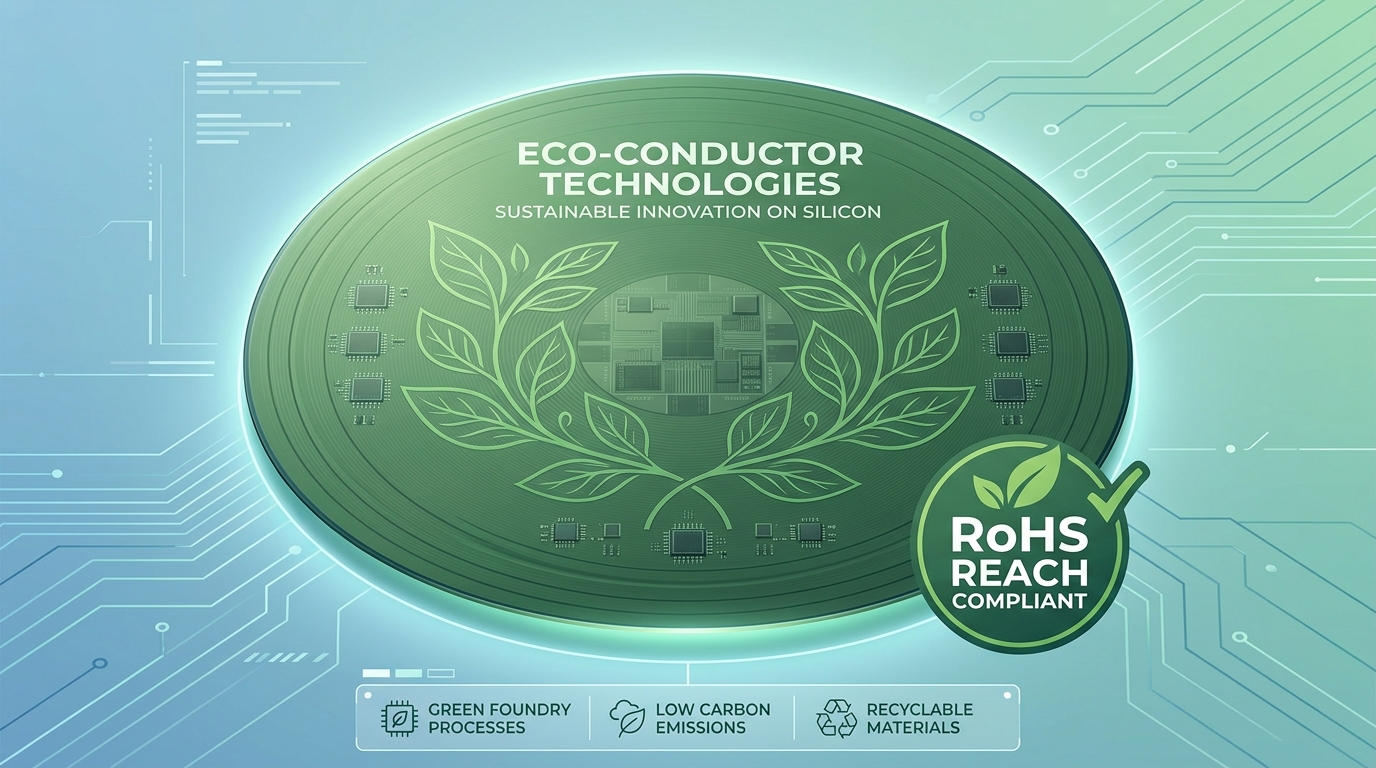
Figure 1: Official Third-Party SGS Testing Laboratory Certificates Confirming Zero Hazardous Substances Across Cosine Product Families
2. Decoding EU RoHS 3.0: Zero-Exemption Chemical Governance
The European Union's Restriction of Hazardous Substances Directive (RoHS) was established to eliminate toxic heavy metals and persistent organic pollutants from electrical and electronic equipment. While earlier iterations focused on six basic substances (lead, cadmium, mercury, hexavalent chromium, PBB, and PBDE), the enactment of RoHS 3.0 (Directive (EU) 2015/863) expanded the scope to ten substances by adding four hazardous phthalate plasticizers: Bis(2-ethylhexyl) phthalate (DEHP), Butyl benzyl phthalate (BBP), Dibutyl phthalate (DBP), and Diisobutyl phthalate (DIBP).
A widespread vulnerability in the semiconductor industry is reliance on temporary regulatory exemptions. Many legacy semiconductor vendors continue to ship power devices utilizing high-melting-point leaded die attach solders under RoHS Exemption 7(a) or lead in electrical ceramic components under Exemption 7(c)-I. As the European Commission systematically phases out these exemptions, OEMs face sudden component discontinuations. Cosine has eliminated this risk by designing our packaging technology to achieve 100% True Green Compliance with Zero Reliance on RoHS Exemptions. All die attach adhesives utilize high-purity silver-filled conductive epoxies, and all leadframe platings utilize 100% pure matte tin, eliminating lead entirely.
Under RoHS 3.0, the threshold for lead, mercury, hexavalent chromium, PBB, PBDE, and all four phthalates is strictly set at 1,000 ppm (0.1% by weight of homogeneous material), whereas cadmium is restricted to an even tighter limit of 100 ppm (0.01% by weight). Cosine does not merely meet these statutory limits; our internal engineering thresholds operate at an order of magnitude more stringent than statutory mandates. For instance, our cadmium ceiling is clamped to less than 2 ppm, and lead is clamped below 20 ppm. This extraordinary safety margin guarantees that even in the presence of minor laboratory measurement variances or batch-to-batch polymer raw material fluctuations, our components never cross the statutory threshold.
Table 1 details the ten restricted substances under EU RoHS 3.0, maximum permissible concentration thresholds, and Cosine's internal analytical detection limits:
| Restricted Hazardous Substance | EU RoHS 3.0 (2015/863) Limit | Common Commercial Semiconductor Use | Cosine Chemical Governance & Analytical Threshold | Detection Limit (ICP-OES / GC-MS) |
|---|---|---|---|---|
| Lead (Pb) | 1,000 ppm (0.1% by weight) | Legacy high-melting point die attach solder (Exemption 7a) | 100% Lead-Free (Zero exemptions utilized; Pb < 20 ppm) | 2 ppm (ICP-OES) |
| Cadmium (Cd) | 100 ppm (0.01% by weight) | Trace stabilizer in low-cost packaging epoxies | Strictly prohibited; Cd < 2 ppm across all lots | 2 ppm (ICP-OES) |
| Mercury (Hg) | 1,000 ppm (0.1% by weight) | Fluorescent curing lamp cross-contamination | Strictly prohibited; Hg < 2 ppm across all lots | 2 ppm (ICP-OES) |
| Hexavalent Chromium (Cr VI) | 1,000 ppm (0.1% by weight) | Passivation chromate conversion coatings on leadframes | Strictly prohibited; 100% trivalent/silane conversion coatings | 8 ppm (Colorimetric UV-Vis) |
| Polybrominated Biphenyls (PBB) | 1,000 ppm (0.1% by weight) | Flame retardants in low-grade mold compounds | Strictly prohibited; PBB < 5 ppm | 5 ppm (GC-MS) |
| Polybrominated Diphenyl Ethers (PBDE) | 1,000 ppm (0.1% by weight) | Flame retardants in low-grade mold compounds | Strictly prohibited; PBDE < 5 ppm | 5 ppm (GC-MS) |
| Bis(2-ethylhexyl) phthalate (DEHP) | 1,000 ppm (0.1% by weight) | Plasticizer in packaging tape carrier reels and tubes | Strictly prohibited; DEHP < 50 ppm in all shipping materials | 50 ppm (GC-MS) |
| Butyl benzyl phthalate (BBP) | 1,000 ppm (0.1% by weight) | Plasticizer in packaging adhesives and tape | Strictly prohibited; BBP < 50 ppm | 50 ppm (GC-MS) |
| Dibutyl phthalate (DBP) | 1,000 ppm (0.1% by weight) | Plasticizer in carrier tape and cover tape adhesives | Strictly prohibited; DBP < 50 ppm | 50 ppm (GC-MS) |
| Diisobutyl phthalate (DIBP) | 1,000 ppm (0.1% by weight) | Plasticizer in packaging materials | Strictly prohibited; DIBP < 50 ppm | 50 ppm (GC-MS) |
3. Halogen-Free Formulation and Elimination of Flame Retardants
Beyond RoHS heavy metals, halogenated organic compounds (specifically brominated and chlorinated polymers) pose grave ecological risks. When electronic assemblies reach end-of-life and undergo thermal incineration, brominated flame retardants (such as tetrabromobisphenol-A, TBBPA) generate highly toxic, carcinogenic polybrominated dioxins and furans. Furthermore, residual ionic halides trapped within semiconductor mold compounds can react with trace moisture under high-temperature bias, forming hydrobromic (HBr) or hydrochloric (HCl) acids that corrode internal aluminum bond pads and trigger catastrophic open-circuit bond wire failures.
Cosine enforces strict Halogen-Free Green Packaging Formulations conforming to IEC 61249-2-21, JPCA-ES-01, and IPC-4101 across 100% of our product lines. We have completely eliminated brominated flame retardants and antimony trioxide synergists, replacing them with advanced multi-modal spherical silica fillers combined with eco-friendly aluminum hydroxide and zinc borate flame-retardant matrices. In traditional IC packaging, bromine contents frequently exceed 10,000 ppm to meet UL 94 V-0 flame retardancy requirements. Cosine achieves full UL 94 V-0 flammability ratings without a single microgram of bromine or chlorine by optimizing the packing density of spherical fused silica micro-particles, which absorb heat and suffocate combustion naturally.
Table 2 details our halogen-free thresholds and green chemical specifications across our entire analog IC catalog:
| Halogen / High-Risk Element | Industry Reference Standard | Maximum Allowable Concentration | Cosine Green Chemistry Formulation | Measurement Analytical Methodology |
|---|---|---|---|---|
| Bromine (Br) | IEC 61249-2-21 (Halogen-Free) | < 900 ppm (0.09% by weight) | Zero brominated flame retardants; replaced with multi-modal spherical silica + metal hydroxide | EN 14582 Combustion Ion Chromatography (C-IC) |
| Chlorine (Cl) | IEC 61249-2-21 (Halogen-Free) | < 900 ppm (0.09% by weight) | Ultra-pure synthetic epoxy resin with low hydrolyzable chloride (<15 ppm) | EN 14582 Combustion Ion Chromatography (C-IC) |
| Total Combined Halogens (Br + Cl) | JPCA-ES-01 / IPC-4101 | < 1,500 ppm (0.15% by weight) | Total combined halogen concentration < 120 ppm across all production lots | Combustion Ion Chromatography |
| Antimony Trioxide (Sb2O3) | EU REACH SVHC Candidate | < 1,000 ppm (0.1% by weight) | 100% Antimony-free mold compound formulation | ICP-OES Spectrometry |
| Red Phosphorus (P) | IEC 62321 Environmental Standards | < 1,000 ppm (0.1% by weight) | Strictly prohibited due to phosphoric acid corrosion risks under humidity bias | GC-MS / ICP-OES |
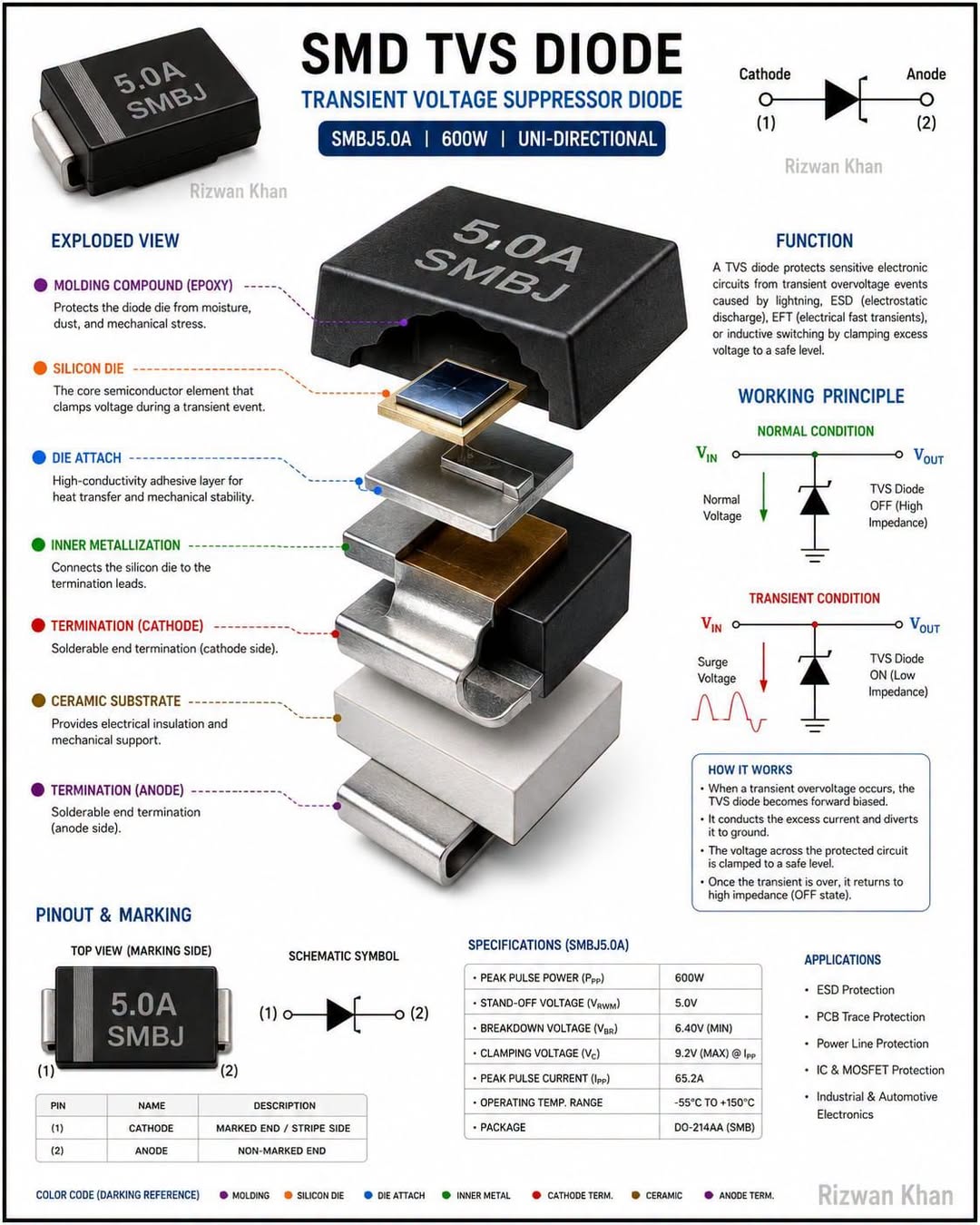
Figure 2: Advanced Chemical Spectrometry Testing Facility Executing Inductively Coupled Plasma Optical Emission Spectrometry (ICP-OES)
4. REACH SVHC Governance, SCIP Database, and Candidate List Monitoring
The European Union's Registration, Evaluation, Authorisation and Restriction of Chemicals (REACH Regulation EC No 1907/2006) represents the most comprehensive chemical safety framework in global history. Under REACH Article 33, manufacturers and importers of electronic articles are legally obligated to notify customers if any component contains a Substance of Very High Concern (SVHC) in a concentration exceeding 0.1% weight by weight (1,000 ppm).
The European Chemicals Agency (ECHA) updates the REACH SVHC Candidate List biannually, continuously expanding the roster of regulated substances (exceeding 240 distinct chemical substances as of 2026). Cosine operates a proactive chemical monitoring program that cross-audits our raw material supply chains within 14 days of any ECHA candidate update. Through automated material declarations from our chemical suppliers and annual third-party analytical testing, Cosine guarantees that zero substances on the active REACH SVHC Candidate List are present in our products above the 0.1% threshold.
In addition, under the EU Waste Framework Directive (Directive 2008/98/EC as amended by Directive (EU) 2018/851), any enterprise supplying articles containing REACH SVHCs above 0.1% w/w onto the EU market must submit comprehensive dossiers to the ECHA SCIP database (Substances of Concern In articles as such or in complex objects / Products). Because Cosine components maintain zero SVHC content above 0.1%, our OEM customers are freed from the administrative and legal burden of filing complex SCIP notifications for Cosine integrated circuits. This streamlined status drastically reduces corporate compliance costs and accelerates product time-to-market across European retail and industrial distribution networks.
5. Advanced Analytical Chemistry: ICP-OES and GC-MS Metrology
To verify compliance beyond manufacturer certificates of conformance, Cosine partners with world-renowned third-party analytical laboratories (SGS, TÜV Rheinland, and Intertek) to conduct destructive chemical spectrometry on every production packaging family. Rather than relying on simple surface scans, our testing protocol requires complete physical dissolution and destructive digestion of the package, separating the mold compound, leadframe, and silicon die.
For heavy metals such as Lead, Cadmium, and Mercury, samples undergo closed-vessel microwave acid digestion using a synergistic mixture of concentrated nitric acid ($HNO_3$), hydrogen peroxide ($H_2O_2$), and hydrofluoric acid ($HF$) in accordance with EPA 3052 standards. The resulting clear aqueous digestate is atomized into an argon plasma flame operating at 8,000 Kelvin within a PerkinElmer Avio 500 ICP-OES spectrometer. At these extreme temperatures, constituent elements emit characteristic electromagnetic wavelengths whose photon intensity is quantified down to parts-per-billion sensitivity.
For organic plasticizers, phthalates, and polybrominated flame retardants, solid mold compound granules are subjected to exhaustive Soxhlet solvent extraction using analytical-grade toluene or dichloromethane for 16 hours. The concentrated extract is injected into an Agilent 7890B Gas Chromatograph coupled with a 5977B Triple-Axis Mass Spectrometer (GC-MS). The instrument separates chemical species across a capillary chromatography column and bombards eluted molecules with 70 eV electron ionization, generating unique mass-to-charge ($m/z$) spectral fragmentation fingerprints that provide absolute positive identification.
Table 3 outlines the five critical analytical metrology methodologies, instruments utilized, and quantitative acceptance thresholds enforced across Cosine's quality audits:
| Environmental Test Phase | Analytical Equipment | Sample Preparation & Analytical Methodology | Quantitative Pass / Fail Acceptance Threshold |
|---|---|---|---|
| Heavy Metal Analysis (Pb, Cd, Hg) | PerkinElmer Avio 500 ICP-OES Spectrometer | Acid digestion in closed-vessel microwave system (HNO3 + H2O2 + HF per EPA 3052). | Pb < 20 ppm, Cd < 2 ppm, Hg < 2 ppm (All well below 1,000 ppm regulatory limits). |
| Hexavalent Chromium Screening | Shimadzu UV-1900i UV-Vis Spectrophotometer | Alkaline digestion followed by diphenylcarbazide colorimetric reaction (EPA 3060A). | Cr VI negative (< 0.10 µg/cm² on metal surfaces; zero hexavalent chromium detected). |
| Phthalates & PBB/PBDE Screening | Agilent 7890B GC / 5977B Mass Spectrometer (GC-MS) | Soxhlet solvent extraction with toluene followed by gas chromatography mass spectrometry. | Zero individual phthalate species exceeding 50 ppm; zero PBB/PBDE detected. |
| Halogen Ion Chromatography | Metrohm 930 Compact IC Flex with Combustion Module | Sample combustion at 1,050°C in oxygen stream; absorbed in H2O2 absorption solution (EN 14582). | Br < 50 ppm, Cl < 50 ppm, F < 20 ppm, I < 20 ppm (100% Halogen-free certified). |
| Conflict Minerals Due Diligence | CMRT 6.31 / EMRT 1.22 Standard Questionnaires | Supply chain smelter auditing against RMI (Responsible Minerals Initiative) conformant list. | 100% conflict-free conformant smelters for 3TG (Tantalum, Tin, Tungsten, Gold) and Cobalt/Mica. |
Figure 3: High-Density SOP-8 Package with Annealed Pure Matte Tin (100% Sn) Plating Providing Halogen-Free Lead-Free Compliance
6. Full Material Disclosure (FMD) and IPC-1752A Standard Reporting
Modern enterprise hardware OEMs require complete transparency regarding every chemical element present in purchased components to populate corporate environmental databases and satisfy international eco-design directives (such as the EU WEEE Directive and ErP Ecodesign regulations). Cosine provides full IPC-1752A Class D Full Material Declarations (FMD) for all product lines.
Our FMD files provide an itemized chemical bill of materials detailing the exact CAS (Chemical Abstracts Service) registry number, chemical name, weight in milligrams, and percentage concentration down to 1 part per million (ppm) for every constituent part of the IC: silicon substrate, epitaxial layers, aluminum/copper metallization, passivation oxide, die attach epoxy, gold/copper bond wires, CDA 194 leadframe, epoxy mold compound, and matte tin lead finish. This machine-readable XML data integrates seamlessly into enterprise PLM systems such as Siemens Teamcenter, PTC Windchill, and SAP Product Compliance.
By providing IPC-1752A Class D data, Cosine eliminates the tedious, error-prone cycle of back-and-forth questionnaires. When regulatory authorities introduce new substance restrictions or add new candidate materials to REACH, our OEM customers can instantly run automated algorithmic queries against their centralized PLM databases to confirm compliance status across millions of finished products in seconds, completely bypassing lengthy supply chain re-inquiries.
7. Conflict Minerals Due Diligence: 3TG and Responsible Minerals Initiative
Semiconductor manufacturing utilizes vital metals—specifically Tin (Sn), Tantalum (Ta), Tungsten (W), and Gold (Au), collectively known as 3TG—as well as Cobalt and natural Mica. Under Section 1502 of the U.S. Dodd-Frank Wall Street Reform and Consumer Protection Act and the European Union Conflict Minerals Regulation (EU 2017/821), companies must verify that these minerals are not sourced from mines controlled by armed militias in the Democratic Republic of the Congo (DRC) or adjoining conflict-affected and high-risk areas (CAHRAs).
Cosine Nanoelectronics enforces a strict Responsible Sourcing Policy across our entire supply chain. We require all foundry and packaging partners to complete the Responsible Minerals Initiative (RMI) Conflict Minerals Reporting Template (CMRT) and Extended Minerals Reporting Template (EMRT) annually. Cosine audits 100% of our supply chain smelters and refiners, verifying that all metal processing facilities are certified conformant under the RMI Responsible Minerals Assurance Process (RMAP). We guarantee that zero conflict minerals fund armed violence or human rights abuses anywhere in the world.
Through our digital supply chain traceability portal, customers can download our current, audited CMRT spreadsheet at any time. The template lists every smelter Identification Number (CID), official smelter name, country of operation, and RMAP audit expiration date for every batch of gold bonding wire, copper alloy leadframe, and pure matte tin plating utilized in Cosine ICs.
8. PFAS Elimination Roadmap: Forever Chemicals Governance
Per- and polyfluoroalkyl substances (PFAS)—frequently termed 'forever chemicals' due to the extraordinary strength of the carbon-fluorine ($C-F$) covalent bond and their near-infinite persistence in the biological environment—are facing sweeping regulatory bans across the United States and the European Union. Under US EPA TSCA Section 8(a)(7) reporting rules and the pending EU REACH Annex XVII universal PFAS restriction proposal, manufacturers must disclose and progressively eliminate PFAS substances across all commercial articles.
While many semiconductor packaging facilities historically utilized fluorinated surfactants and polytetrafluoroethylene (PTFE) mold release additives to facilitate clean mold separation during transfer molding, Cosine initiated a comprehensive PFAS-elimination engineering initiative. Our packaging technology team collaborated with leading material chemical suppliers to formulate next-generation fluorine-free mold release chemistries based on bio-derived synthetic wax esters and ultra-high-molecular-weight siloxane polymers.
Comprehensive combustion ion chromatography and liquid chromatography-tandem mass spectrometry (LC-MS/MS) testing verifies that Cosine mold compounds contain zero detectable PFAS compounds, including perfluorooctanoic acid (PFOA), perfluorooctanesulfonic acid (PFOS), and perfluorohexanoic acid (PFHxA). By eliminating PFAS ahead of statutory deadlines, Cosine future-proofs OEM designs against upcoming European and American trade bans.
9. International Material Data System (IMDS) and Automotive Compliance
For automotive OEMs and tier-1 electronics module suppliers, compliance with consumer electronics directives is insufficient. The automotive industry mandates full lifecycle material accounting through the International Material Data System (IMDS), jointly developed by global automotive manufacturers (including Volkswagen, BMW, Ford, Toyota, and Stellantis). In China, the equivalent China Automotive Material Data System (CAMDS) enforces similar material accounting under GB/T 30512 standards.
Under Production Part Approval Process (PPAP) Level 3 requirements, an automotive electronics subassembly cannot receive production shipment release without an approved IMDS Material Data Sheet (MDS). Cosine operates a dedicated automotive material compliance desk that creates, audits, and transmits IMDS MDS entries directly to customer recipient ID codes. Our IMDS entries adhere strictly to the IMDS General Rules and IMDS Recommendation 010 (IMDS010), accurately classifying materials according to VDA 231-106 classifications.
Every substance entry in a Cosine IMDS submission includes validated CAS registry numbers, exact elemental weight percentages, and detailed classification of semiconductor passive passivation, silicon die metallization, copper wire alloys, epoxy thermoset resins, and annealed tin lead coatings. This ensures immediate first-pass approval from tier-1 automotive quality engineers and eliminates production sign-off delays for EV powertrain, chassis, and body electronics modules.
10. Environmental Compliance Troubleshooting Matrix
Table 4 provides an FAE environmental troubleshooting guide diagnosing five common chemical contamination failure modes and detailing permanent closed-loop engineering corrective actions:
| Observed Environmental Compliance Risk | Root-Cause Material / Process Physics | Diagnostic Spectrometric Signature | Cosine Engineering Corrective Solution |
|---|---|---|---|
| Lead Ingress in Plating Pin Finish | Solder bath contamination from legacy leaded lines at non-dedicated plating vendor. | XRF spectroscopy shows localized lead spikes (>5,000 ppm) on exterior lead pin surface. | Cosine mandates dedicated 100% lead-free plating lines with automated bath chemistry replenishment. |
| Hydrolyzable Chloride Corrosion | Epichlorohydrin solvent residues in unpurified epoxy resin hydrolyzing into hydrochloric acid. | Corrosion and etching observed on aluminum bond pads after 96-hour HAST testing. | Cosine specifies ultra-pure electronics-grade epoxy resins with hydrolyzable chloride < 10 ppm. |
| Antimony Leaching in Acidic Environments | Antimony trioxide synergist flame retardant reacting with ambient industrial moisture. | ICP-OES detects elevated antimony ion concentrations in leachate test solution. | Cosine completely eliminates antimony, using eco-friendly organophosphorus-free metal hydrates. |
| DEHP Contamination from Packaging Tape | Recycled PVC plasticizers in low-cost carrier tape migrating onto packaged component bodies. | GC-MS detects DEHP phthalates exceeding 1,500 ppm on top-case plastic surfaces. | Cosine mandates virgin polystyrene (PS) conductive carrier tapes certified 100% phthalate-free. |
| Uncertified Smelter in Raw Supply Chain | Tier-3 tin or gold supplier sourcing raw ore from conflict-affected high-risk areas (CAHRAs). | Smelter identification fails RMI RMAP audit cross-check on annual procurement audit. | Cosine automatically purges non-conformant smelters, requiring RMI-certified conflict-free sources. |
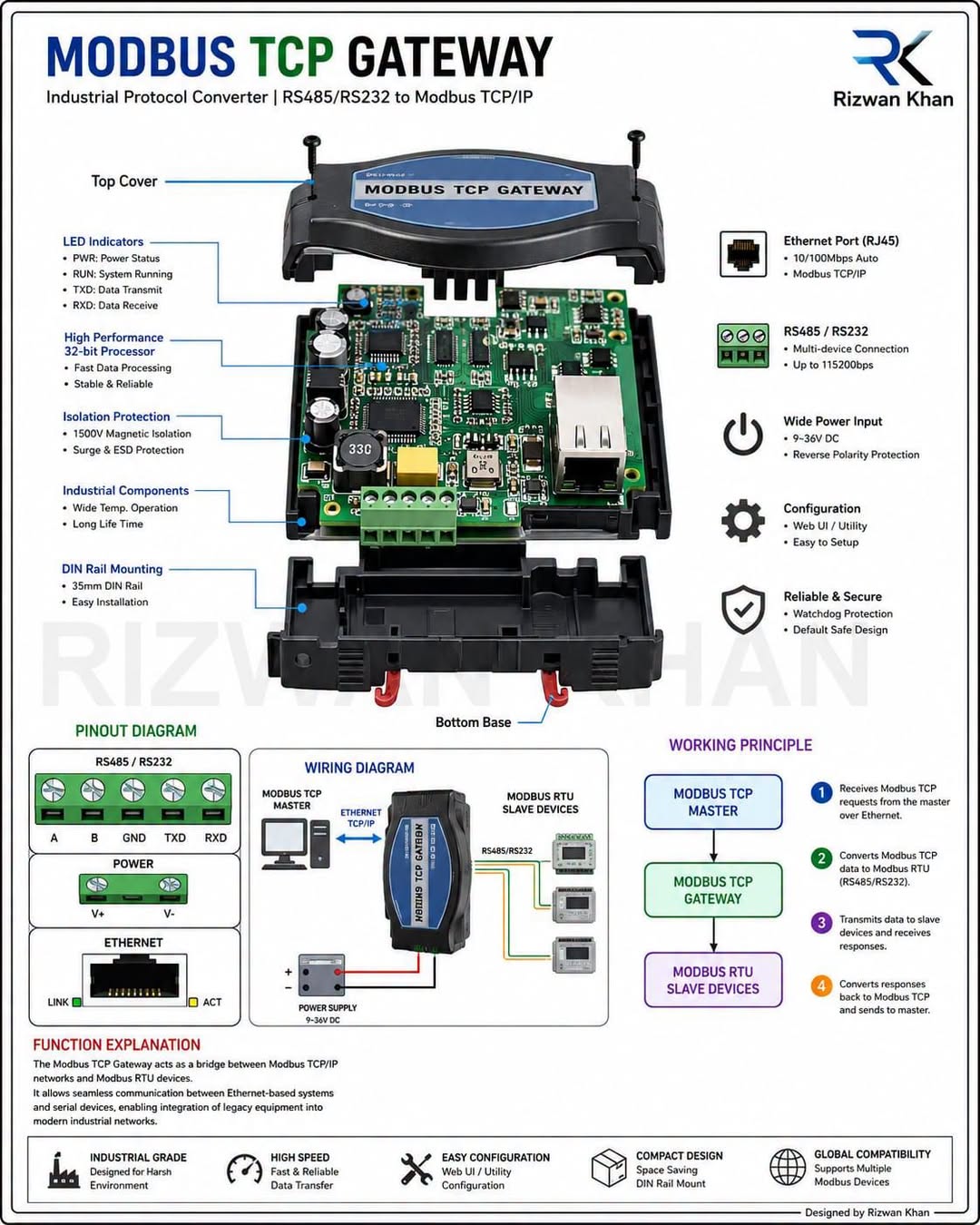
Figure 4: Automated Closed-Loop Environmental Wastewater and Air Filtration Systems at Packaging Assembly Line
11. Eco-Friendly Shipping Packaging: Antistatic Reels and Plasticizer-Free Tapes
Green semiconductor governance does not end at the silicon package edge; it encompasses all secondary shipping and packing materials. Millions of meters of plastic carrier tape, cover tape, and shipping tubes are discarded annually by automated SMT manufacturing facilities. In inferior packaging, cheap PVC carrier tapes contain toxic phthalates (DEHP, DBP) that can volatilize during transport and contaminate component surfaces.
Cosine standardizes on 100% recyclable, environmentally friendly shipping materials complying with EIA-481 and international packaging waste directives:
- Carrier Tapes: Formulated from pure, carbon-loaded conductive Polystyrene (PS) or Polycarbonate (PC), providing permanent electrostatic discharge shielding ($10^4 \le R_s \le 10^9\\,\\Omega/\text{sq}$) without using migrateable chemical antistatic surfactants.
- Cover Tapes: Transparent, heat-activated or pressure-sensitive polyester (PET) cover tapes engineered with zero phthalate plasticizers and consistent peel force (0.1N to 0.7N per EIA-481) preventing high-speed feeder jamming.
- Moisture Barrier Bags (MBB): Multi-layer vacuum-sealable aluminum foil laminated with low-density polyethylene (LDPE), certified 100% heavy-metal-free and recyclable under EU Packaging Directive 94/62/EC.
- Desiccant Packs and HIC Cards: Formulated from natural, non-toxic montmorillonite clay or silica gel encased in Tyvek envelopes, paired with cobalt-dichloride-free Humidity Indicator Cards (HIC) complying with IPC/JEDEC J-STD-033.
12. Continuous Chemical Auditing and In-Line XRF Quality Gates
Maintaining flawless environmental compliance across high-volume semiconductor production requires continuous supplier surveillance and multi-tiered analytical gates. A single supplier substituting a low-cost mold compound or a contaminated plating chemical bath could compromise millions of finished units if quality control relied solely on annual certifications.
To eliminate this vulnerability, Cosine implements a three-tier chemical quality barrier across all packaging and assembly facilities:
- Raw Material Incoming Dock Screening: Every incoming lot of copper leadframe coils, molding compound pellets, die attach adhesives, and bond wire spools must arrive with lot-traceable vendor CoAs (Certificates of Analysis). In addition, our incoming quality control (IQC) team performs rapid screening using high-resolution energy-dispersive X-ray fluorescence (ED-XRF) spectrometers to verify zero heavy metal contamination before materials are released to the cleanroom floor.
- In-Line Bath Chemistry Monitoring: Automated continuous titration and periodic chemical replenishment protocols monitor our pure matte tin electroplating lines. Electroplating baths are tested daily for copper, lead, iron, and zinc ionic contamination. If lead concentration in the tin plating electrolyte exceeds 5 ppm, the plating line is instantly halted and the bath chemistry is discarded and replaced.
- Annual Third-Party Independent Destructive Audits: Every active packaging family (including SOP, MSOP, SOT-23, TSSOP, and DFN/QFN) undergoes full destructive chemical analysis by certified independent testing laboratories (SGS / TÜV) once every twelve months. Reports are published in the Cosine Quality Portal for transparent customer download.
13. Conclusion: Sovereign, Sustainable Silicon for the Next Generation
At Cosine Nanoelectronics, we believe that true technological leadership demands environmental responsibility. By engineering 100% lead-free, halogen-free, and antimony-free analog semiconductors supported by rigorous ICP-OES spectrometry, IPC-1752A full material disclosure, conflict-free mineral sourcing, PFAS-free mold formulations, and IMDS automotive integration, we empower global hardware engineering teams to build products that are not only technologically superior, but ecologically sustainable and permanently audit-ready across every global market.
As international environmental regulations continue to evolve toward stricter circular economy mandates, zero-carbon manufacturing metrics, and cradle-to-cradle lifecycle accountability, Cosine remains dedicated to being your most transparent and reliable analog semiconductor partner. Contact our environmental compliance team today at sales@cosinechips.com or via WhatsApp at +86 159 5954 3210 to request lot-specific ICP-OES test reports, IPC-1752A XML declarations, or IMDS MDS data sheets for your next production build.
Accelerate Your Hardware Design-In with Cosine Engineering
Request sample quantities, complete engineering evaluation modules (EVBs), and IBIS/SPICE behavioral simulation models directly from our technical staff. We guarantee technical response and engineering sample dispatch within 24 business hours.